Wubi News

Safe spaces needed for drug-addicted children, say grieving mums

2026-01-13 11:00:07
The number of children in drug and alcohol treatment has been rising since the coronavirus pandemic
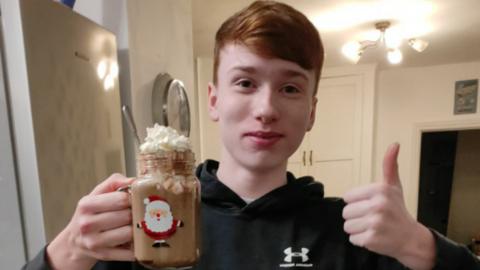
Olly Barnett ordered drugs from the dark web to self-treat anxiety, his mother said

Drug treatment is the responsibility of councils to fund and co-ordinate locally.

Olly, Ben and Alfie received community-based support via a network of different services, including social services, the NHS and local drug organisations.

Each of their mothers said collaboration had been lacking and residential treatment impossible to secure.

Anita, who had to manage Olly's detoxification regime at home, said: "I was told there was nowhere for him to be sent, no detox ward, no in-patient service.

"I looked at going private but with everything I had, the car I could have sold, I would have been lucky to have afforded a week.

"He wouldn't have relapsed if he'd had proper care, detox and counselling all at the same time – he could have got better."

Councillor Jill Rhodes, who chairs Cheshire East Council's adults and health committee, said the authority received one of the lowest Public Health Grants in the country but commissioned a range of drug and alcohol treatment services.

She said it recognised a "clear gap" in residential provision for young people and would "strongly support" a national approach to address the shortfall.
Kate, from Knaresborough in North Yorkshire, described services involved in Ben's care as "horribly overstretched".

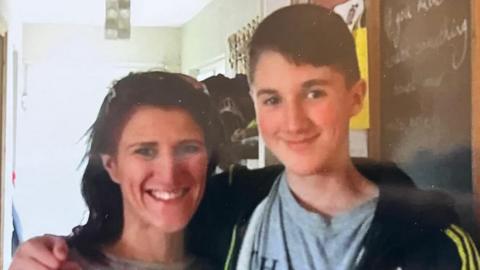
She said he had been on the books of more than a dozen organisations when she found him dead in an adult homeless hostel at 16.

"Every strand [of his treatment] was done by a different group in the community and they had very little communication with each other, very little communication with us and no joined up plan," she said.

"As he spiralled, his phone pinged and pinged with social media adverts for drugs and threats from dealers.

"He had drugs workers who saw him a maximum of once a fortnight – they couldn't compete with that level of coercion.

"He needed a residential place because he never felt safe, we couldn't make him safe."

A North Yorkshire Council spokeswoman said Ben had been moved to the homeless shelter as a "last resort following extensive searches for suitable accommodation".

She said the "heart-breaking situation" highlighted the need for greater national specialist provision.

Kate Roux said her family was "constantly firefighting" as they helped Ben with his addiction

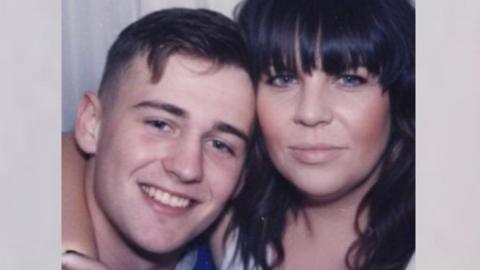
Nicola Howarth, from Newton Aycliffe in County Durham, said her son Alfie had seen "at least 20" drug workers between the ages of 12 and 17.

"There was no consistency with his care," she said. "I was always having to kick off and scream like a naughty child to get someone to listen to me."

Alfie had a cocaine problem so severe he lost nose cartilage and was using "all day, every day", spending hundreds of pounds a week on his addiction.

His mother could not afford the £23,000 she was quoted for a private residential rehab placement – at the time of his death, she was still saving up.

On Alfie's 18th birthday, she received a call from an adult residential facility.

She said: "They said they had a bed for him if we still wanted it, but he'd already died."

Michael Laing, Durham County Council's corporate director for adult and health services, said an Adolescent Safeguarding and Exploitation team had been set up since Alfie's death, with support available for young people who needed it.

The day before Alfie died, he told his mother he had had enough and begged her for help

The government's independent drugs adviser agrees more must be done to ensure high quality treatment for children and young people, including "adequate in-patient facilities" for those with the most complex needs.

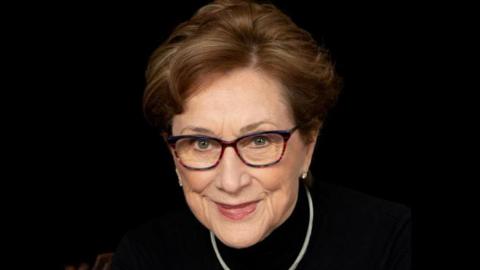
Professor Dame Carol Black said children had "suffered" from years of under-investment in treatment services, with the current government now having to "turn around the tanker" and rebuild the sector.

She said improvements had been made in light of her 2020 independent review of drugs, which made recommendations around recovery and prevention, including the need to widen access to treatment.

Dame Carol added: "I'm pleased with where we've got to but I want the quality of what we offer to be improved."

The recent growth of teens in treatment can be partly attributed to recommendations set out in Prof Dame Carol Black's report

Her views are shared by Dr Will Haydock, chief executive of charity Collective Voice, which represents a host of drugs organisations.

He said: "There are still issues with inconsistency, what's on offer and the routes through which people access it."

Haydock said the rise in under-18s in treatment could reflect more investment and improved treatment access following Dame Carol's report.

But he said online dealers, changing drug trends and a higher rate of children with mental health problems had also contributed.

Dr Haydock said a "coherent, co-ordinated package of care" was essential, adding: "Substance use issues are never isolated, they're always part of someone's wider life.

"We need to involve mental health services, education and youth justice - and we need national leadership with a clear strategy and plan for reducing harm."

A cross-government approach, more specialist beds, earlier intervention, additional funding and the implementation of clear national guidance and prevention strategies were among potential solutions suggested by sources including the Children's Commissioner, the Local Government Association (LGA), drugs charities and rehab workers.

A Department of Health and Social Care spokesman said treatment and recovery funding would be channelled through the Public Health grant by 2026.

He said £3.4bn would be ringfenced for drug and alcohol treatment and recovery across three years.

At UKAT's Banbury Lodge in Oxfordshire, a residential facility providing treatment for a range of addictions, there are three beds for 16 to 18-year-olds.

Centre manager Nick Dunkley said such facilities offered a comprehensive package of care, available around the clock.

But a 28-day stay at the privately-run rehab costs almost £18,000 - a price out of the reach, he accepted, of many families.

Mr Dunkley acknowledged the "significant" cost and said more state-funded beds should be made available, adding: "Preventative measures are a better alternative to waiting until things are beyond repair."

Children's Commissioner Dame Rachel de Souza said she was deeply concerned about the "postcode lottery" faced by too many children.

"No matter the issue, children and young people must be able to access the treatment they need close to home, to help them recovery quickly and rebuild stability with support from loved ones," she said.

Dr Wendy Taylor, of the LGA, called on the government to increase the public health grant to ensure quality support was available and accessible to all.

She said the landscape was very difficult for councils trying to provide treatment within "serious budget stresses".