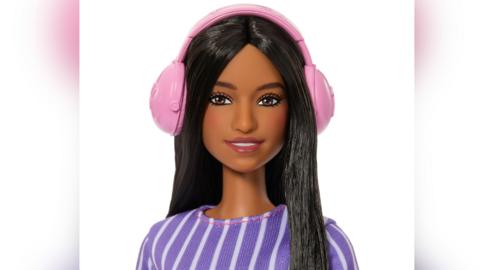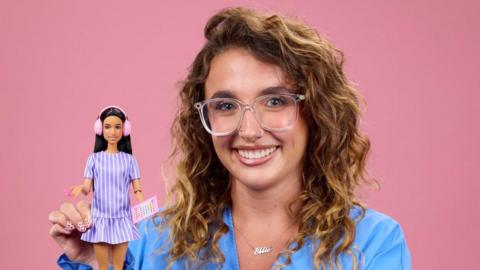
The launch of the first autistic Barbie doll has been welcomed by campaigners as a step towards more "authentic, joyful" representation for neurodivergent children.
The doll features design choices intended to reflect experiences to which autistic people might relate, including loose clothing to ensure less fabric-to-skin contact and an eye gaze slightly to the side.
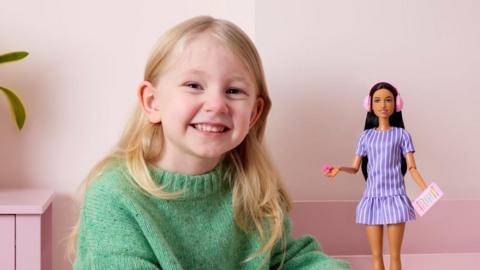
Autistic youngster Penelope, five, was part of the research for the doll, and her mum, Tonya, said: "She uses ear defenders, so to see that on a doll really made her feel special."
The National Autistic Society estimates more than one in 100 people are autistic and there are at least 700,000 autistic adults and children in the UK.