Every day there are more than 13,000 people whose treatment has been completed who are still in hospitals in England, the latest figures from NHS England suggest. Plus there are a further 4,000 around the rest of the UK - which means around one in eight beds are occupied by people who don't necessarily need to be there.
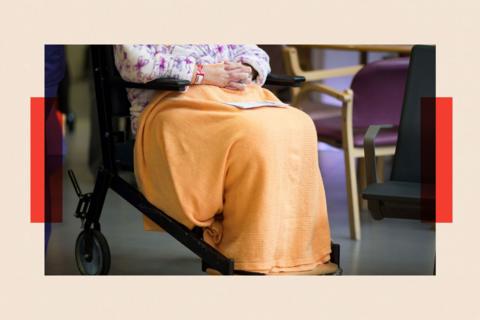
Many of these "delayed discharge" patients are older and may be frail and living with multiple health conditions who need support in the community.
But it comes at a huge cost. The average hospital bed takes £562 a day to staff and maintain, according to NHS England, meaning the health service in England is losing more than £225m a month supporting patients who could be elsewhere.
Then there is the cost to other patients.
"We are seeing surgery cancelled and long waits in A&E because there are no beds available on the wards," says Clifford Kilgore, a senior nurse working with older people, who serves on the Nurses and Allied Health Professionals' Council of the British Geriatrics Society.
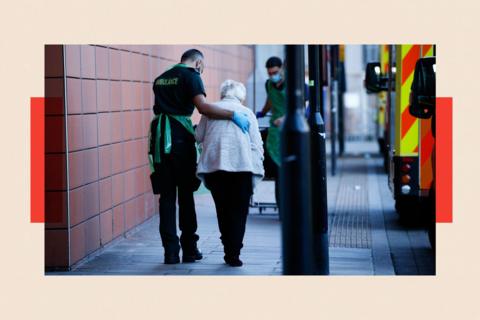
As for the staff there is a toll on morale, too - among doctors, nurses and ambulance workers. "It's terrible when you see patients go downhill in hospital when you know they would be better off somewhere else," says Laura Hichens, a nurse who leads the "discharge liaison" team at Queen Elizabeth Hospital in Gateshead.