"They are so much more interested in health than any other generation and I think that's driving a quite significant movement in terms of preventative health.
"They are really thinking about how they can look after their brain at every life stage."
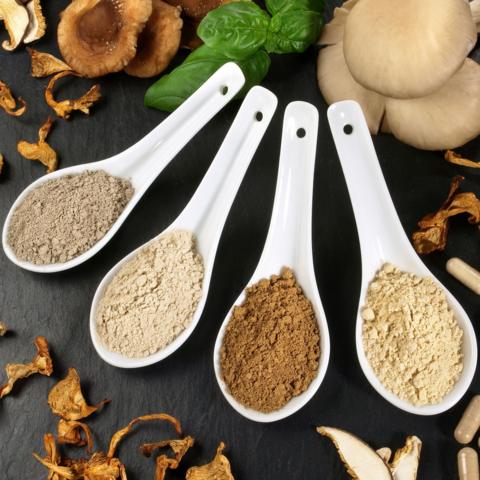
And many of us might start "supplement stacking through the day," she suggests. "Not necessarily swapping any in or out, but mixing magnesium with lion's mane, for example."
But boosting our brains does not end there, millions of us are downloading brain training apps to improve our processing speed, memory and to try to protect the 86 billion neurons we have stored in our heads - and as a way, we are told, of staying mentally resilient in the age of artificial intelligence.
Lifestyle GP, Dr Alex Maxwell, is not convinced by the purported power of nootropics and brain training.
"You're going to get much more bang for your buck by increasing the amount you sleep, that's a great brain protector, managing your cardiovascular and metabolic health through exercise - they are the kind of things that will help and are proven to help."
Nootropics have limited evidence they work on the general healthy population, he says, and taking a bit of a lion's mane, for example, is not going to get to the root cause of why someone is not getting enough sleep or help them feel less stressed in the long term.