A political row has broken out over the information shared with the public over the past few weeks over the health of the economy and the choices required to be made by the chancellor.
Last week's Budget included a total £26bn of tax rises, with £8bn set to be raised by extending the freeze on income tax and National Insurance thresholds for a further three years. The two-child benefit cap was also scrapped.
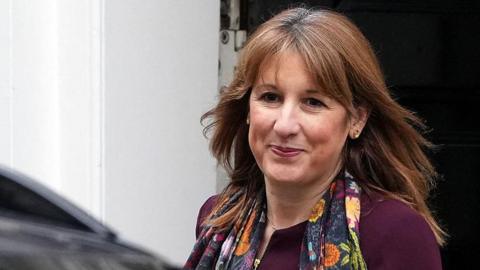
In the build-up to the Budget, Reeves repeatedly talked about a downgrade to the UK's predicted economic productivity that would make it hard for her to meet her borrowing rules, fuelling speculation that the income tax rates themselves would be raised, which would break a Labour's manifesto pledge.
On 4 November, she used a rare pre-Budget speech in Downing Street to warn the UK's productivity was weaker "than previously thought" and that had "consequences for the public finances too, in lower tax receipts".
However, it has since emerged that the OBR, which assesses the government's tax and spending policies, had told the Treasury on 31 October that it was on course to meet its main borrowing rule by £4.2bn due to the downgrade in productivity being offset by higher wages, which increase the government's tax receipts.
The Conservatives have claimed the chancellor gave an overly pessimistic impression as a "smokescreen" to raise taxes in order to increase welfare spending, with leader Kemi Badenoch claiming she "lied to the public".
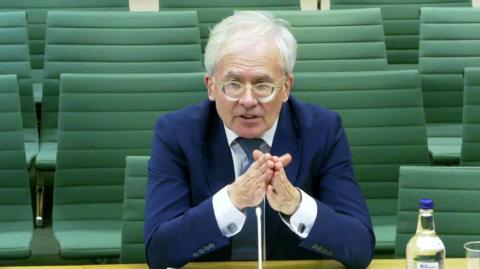
The £4.2bn buffer was less than the £9.9bn Reeves had left herself at the previous Budget, and Prof Miles told the Treasury Select Committee of MPs, that it still "posed a significant" challenge to the government, which wanted to increase the figure overall.
The so-called headroom chancellors have left themselves - essentially a buffer to fall back on - has been smaller in recent years. Prior to November 2022, chancellors tended to create a £20bn-£30bn buffer.