All new cars will have to be electric or hybrid from 2030, when a ban on the sale of new petrol and diesel cars comes into force.
The Electric Car Grant scheme, which provides a discount of up to £3,750 on eligible vehicles, was launched with an initial fund of £650m.
New AutoMotive, a non-profit organisation supporting the UK's transition to electric vehicles, found in a recent study that the scheme had yet to expand the market for EVs.
EVs covered by the scheme made up 23.8% of new registrations in September, the same as their share before the Electric Car Grant was announced, New Automotive said.
"It isn't yet clear that it's prompting consumers to consider buying cars that they wouldn't have gone ahead and bought anyway," David Farrar, policy manager for New AutoMotive, said at the time.
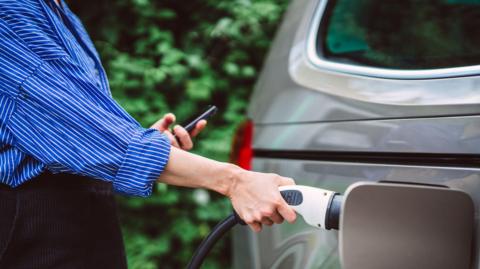
The Budget is also expected to announce a further £200m for speeding up the rollout of chargepoints across the UK.
Data from Zapmap shows almost 87,000 points across the UK, in about 44,000 locations. Those include places like supermarket car parks and lamppost chargers.
"The proposed funding will support the creation of thousands of charge points and provide extra resources for local authorities to ramp up charging infrastructure on local streets - making it easier for everyone to access reliable charging, including those without off-street parking," the government said.
Chancellor Rachel Reeves, it added, was "expected to publish a consultation on Permitted Development Rights to make it easier and cheaper for people without a driveway to charge".
However, it is also possible that EV owners could face a new tax in the Budget in the form of a pay-per-mile charge from 2028 to mirror the fuel duty that drivers of petrol and diesel cars pay.
The shift towards electric vehicles means the government will get less revenue from fuel duties in the coming years.
The transport secretary did not rule out a new tax on EV drivers' road use, saying support for the transition to EVs needed to be balanced with a "fair vehicle taxation system for all motorists".
"EV [drivers], like drivers of petrol and diesel cars, are driving on roads that require maintenance."
"We've got ageing infrastructure, motorways that were built back in the sixties and seventies," Alexander said.
"We need to have a fair taxation system that is future-focused, but we're not going to do anything to jeopardise the transition to electric vehicles," she said.
Reeves is being urged not to raise taxes on drivers overall, with campaigners preparing to deliver a petition to Downing Street early next week which calls for fuel duty, long frozen, not to be increased.