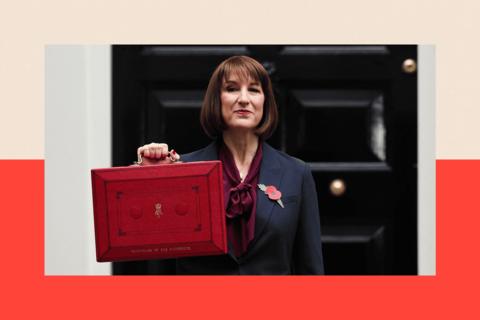
It's been a long time coming. If you feel like this Budget has been going on for ages, you'd be right.
Not just because by one senior MP's count, 13 - yes, thirteen - different tax proposals have already been floated by the government in advance of the final decisions being made public.
Or because of an ever-growing pile of reports from different think tanks or research groups making helpful suggestions that have grabbed headlines too.
But because the budget process itself has actually been going on for months.
Back in July the Chancellor Rachel Reeves had the first meeting with aides in her Treasury office to start the planning.
"Everyone was getting ready to open up the Excel," one aide recalls, but Reeves announced she didn't want any spreadsheets or Treasury scorecards.
Instead she wanted to start by working out how to pursue her top three priorities, which she scribbled down on A5 Treasury headed paper.
That trio is what she'll stick to next week: cut the cost of living, cut NHS waiting lists, and cut the national debt.
The messages to the voting public – and each containing an implicit message to the mighty financial markets: control inflation, keep spending big on public services, protecting long-term cash on things like infrastructure, and try to control spending to deal with the country's big, fat, pile of debt.
Reeves's team is confident the chancellor will be able to tick all three of those boxes on Wednesday.
But there is deep fear in her party, and scepticism among her rivals and in business, that instead, Reeves's second budget will be hampered by political constraints and contradictions.