Cummings was also often a catalyst for action and was among the first political figures to demand strategy meetings and modelling to deal with Covid, the report found.
Alongside civil servants, Cummings helped drive the creation of the Covid-19 Taskforce in the Cabinet Office, which the report said improved the coordination of the government's response.
Hancock, who was in charge of the health department through much of the pandemic, developed a reputation in Downing Street for "overpromising and underdelivering," she added.
She noted there were concerns "about Hancock's truthfulness and reliability in UK government meetings" and that civil servants had had to "double-check what we were being told".
Baroness Hallett said it was essential that leaders are "candid" about the scale of problems during an emergency but Hancock "did not adopt such an approach" to the crisis.
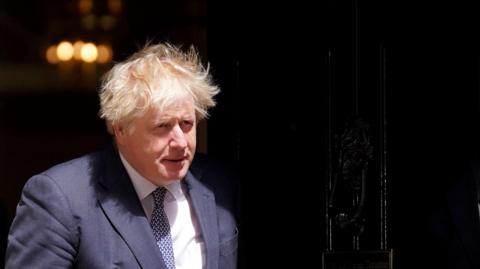
Johnson's leadership style compounded problems as he "oscillated" on restrictions, enabling the virus to spread at pace, the report said.
While acknowledging the "profound" decisions he faced, Baroness Hallett concluded he delayed making choices when "timely decision-making was essential".
Johnson's "expressions of over-optimism" about the impact of Covid also undermined official health advice, the report says - including speaking about shaking hands in hospital the day before launching a handwashing campaign.
Cummings' trip to Barnard Castle and the rule-breaking "partygate" gatherings also "undermined public confidence and increased the risk of people not complying with the rules designed to protect them," Baroness Hallett said.