Wubi News

UK did 'too little, too late', leading to thousands more Covid deaths - inquiry

2025-11-21 22:00:08

The UK response to Covid was "too little, too late" and led to thousands more deaths in the first wave, an inquiry into government decision-making says.

The report also said lockdown may have been avoided if voluntary steps such as social distancing and isolating those with symptoms along with household members had been brought in earlier than 16 March 2020.

By the time ministers acted it was too late and lockdown was inevitable, the report said, then a week-long delay introducing it led to 23,000 more deaths in England in the first wave than would have been seen otherwise.

The report criticised the governments of all four nations and described a "chaotic culture" in Downing Street.

Inquiry chair Baroness Hallett said that while government was presented with unenviable choices under extreme pressure, "all four governments failed to appreciate the scale of the threat or the urgency of response it demanded in the early part of 2020."

Ministers were in part relying on "misleading assurances" that the UK was prepared, she said.

Government scientists underestimated how quickly the virus was spreading and in the early days were advising restrictions should not be introduced until the spread of the virus was nearer its peak to help build up herd immunity, Lady Hallett added.

Across nearly 800 pages the report - which is the second of 10 planned by the inquiry - also set out a number of other failings:

The report said lockdowns, while helping save lives, left lasting scars on society, bringing ordinary childhood to a halt, delaying treatment of non-Covid health conditions and worsening inequalities.

The modelling which shows 23,000 deaths could have been saved by locking down a week earlier than 23 March 2020 was produced in 2021. The figure would have equated to 48% fewer deaths in the first wave to 1 July 2020.

But the report does not suggest the overall death toll for the pandemic – 227,000 in the UK by the time it was declared over in 2023 – would have been reduced.

That is very difficult to tell, as it depends on a variety of other factors that could have reduced or increased the number of deaths as the pandemic progressed.

The inquiry did however praise the government for the "remarkable" rollout of the vaccination programme and how it exited the lockdown of early 2021, allowing time for vulnerable groups to get the jab. The report described this as a turning point for the UK.

The report made a range of different recommendations, including:

Deborah Doyle, of the Covid-19 Bereaved Families for Justice, said it was "devastating to think of the lives that could have been saved" under different leadership.

"We now know that many of our family members would still be alive today if it weren't for the leadership of Boris Johnson and his colleagues.

"Throughout the pandemic, Boris Johnson put his political reputation ahead of public safety. He pandered to his critics when the UK needed decisive action."

Johnson has yet to respond to the findings.

But Cummings, who was chief adviser to Boris Johnson at the start of the pandemic, accused the inquiry of a mix of "cover-ups and rewriting history".

In a social media post, he said he was offered the chance to respond to the inquiry's findings before the report was released, but declined, declaring it "insider corruption".

He said experts "advised us to do almost nothing" and "advised against any serious restrictions" as the country would reach "natural herd immunity" by September.

Prime Minister Sir Keir Starmer said the government would "carefully consider" the findings and recommendations.

He said that improvements have been made in how the government would react to a major crisis, but added: "It is clear that local government and our public services, including the NHS, are under immense pressure and in many cases have not fully recovered from the pandemic."

"The cost of the pandemic still weighs heavily on the public purse."

Leader of the Liberal Democrats, Sir Ed Davey has called for Conservative Party leader Kemi Badenoch to apologise on behalf of her party as he said the news that the lockdown could have been avoided is "shattering".

"This tragedy must never be repeated," he added.
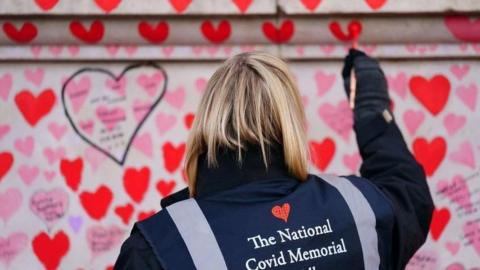
The report considered the actions of all four governments within the UK with criticisms for the nations including over planning and decision-making.

Responding to the report, former first minister Nicola Sturgeon said it was "inevitable" that mistakes would be made due to the "unprecedented and uncertain" nature of the crisis.

She added that she made decisions on the "best advice and information" available.

First Minister of Northern Ireland Michelle O'Neill has called the report a "welcome milestone".

She underlined that lessons from the inquiry "must inform our preparedness for, and response to, any future pandemic or society-wide emergency in the future".

In Wales, Eluned Morgan said the Welsh government "was committed to learning lessons".

Former first minister Mark Drakeford defended the government's handling of the pandemic, saying it "acted in the best way that we were able".

Additional reporting by Cachella Smith