Wubi News

Should Hitler's DNA have been studied – or just left alone?

2025-11-15 17:00:01

Groundbreaking DNA analysis of Adolf Hitler's blood has uncovered some extraordinary findings about the dictator's ancestry and possible health conditions.

Painstaking scientific testing by a team of international experts has been able to debunk a rumour on whether Hitler had Jewish ancestry (he didn't) and determine that he had a genetic disorder which affects the development of sexual organs - all from an old blood-stained swatch of fabric.

While clickbait headlines have focused on whether the Nazi dictator had a micropenis and only one testicle, more serious are the findings that his DNA showed "very high" scores - in the top 1% - for a predisposition to autism, schizophrenia and bipolar disorder.

Does this mean he had these neurological conditions? Absolutely not, say the experts - it's not a diagnosis.

But nevertheless, concerns have been raised about stigmatisation and how ethical the research was, prompting the question - should it have been done at all?
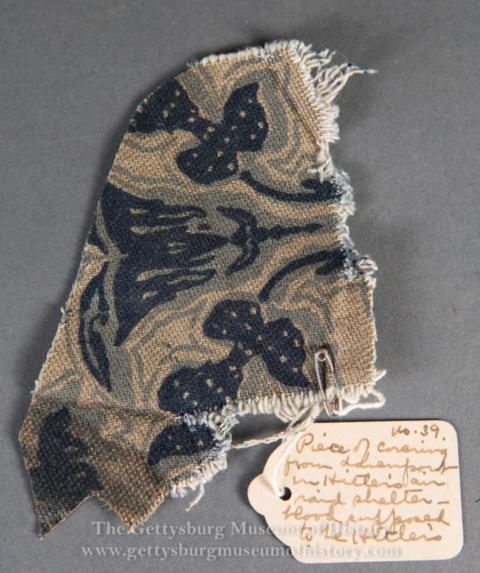
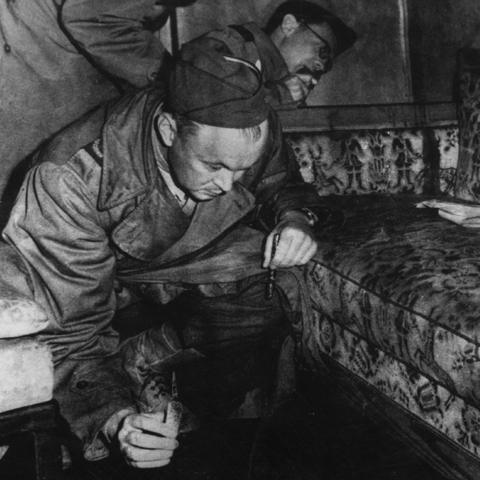
The swatch of fabric was cut from the sofa in Hitler's bunker - the blood stain can be seen on the bottom-left

The bloodied swatch of fabric - now 80 years old - was cut out of the sofa in Hitler's underground bunker, where he killed himself when Allied forces descended on Berlin at the end of World War Two.

While inspecting the bunker, Colonel Roswell P Rosengren of the US army saw an opportunity to get a unique war trophy and he pocketed the fabric. It's now framed and on display at the Gettysburg Museum of History in the US.

The scientists are confident it really is Hitler's blood, because they were able to perfectly match the Y-chromosome with a DNA sample from a male relative that had been collected a decade prior.

The results, which are now under peer review, are indeed fascinating.

It is the first time Hitler's DNA has been identified, and over the course of four years, scientists were able to sequence it to see the genetic makeup of one of the world's most horrific tyrants.

What is certain, experts say, is that Hitler did not have Jewish ancestry - a rumour that had been circulating since the 1920s.

Another key finding is that he had Kallmann syndrome, a genetic disorder that, among other things, can affect puberty and the development of sexual organs. In particular, it can lead to a micropenis and undescended testes - which, if you know the British war-time song, had been another rumour flying around about Hitler.

Kallmann syndrome can also affect the libido, which is particularly interesting, said historian and Potsdam University lecturer Dr Alex Kay, who is featured in the documentary.

"It tells us a lot about his private life - or more accurately, that he didn't have a private life," he explains.

Historians have long debated why Hitler was so completely devoted to politics, "to the almost total exclusion of any kind of private life", and this could help to explain that.

These kinds of findings, the experts say, are what make them both fascinating and useful. As Prof King puts it: "the marrying of history and genetics".

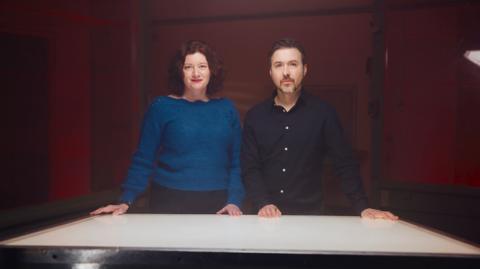
Genetics expert Prof Turi King and historian Dr Alex Kay
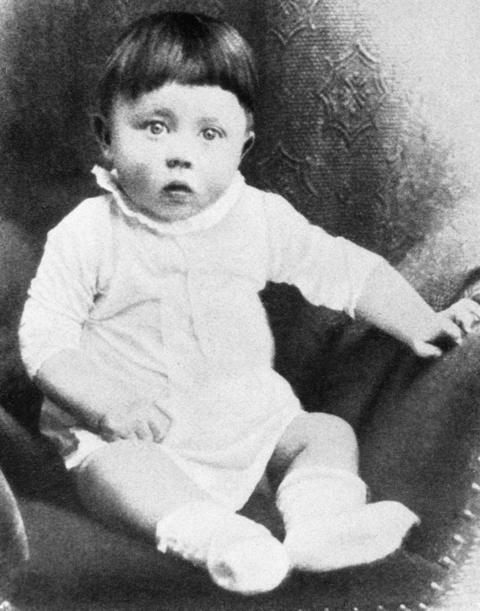
Adolf Hitler as a baby - likely taken in 1889
Professor Thomas Weber said he felt "in equal measure electrified and concerned" when he saw the research results
Allied war journalists examine the sofa inside Hitler's bunker in 1945 - it is said that the staining on the arm of the chair is blood
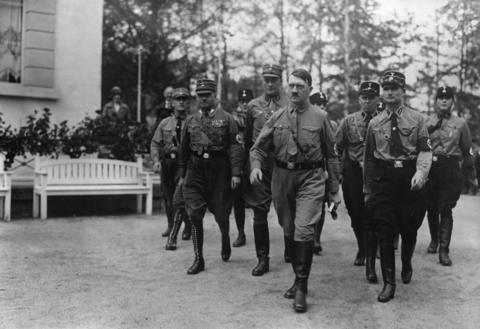
Hitler in 1933
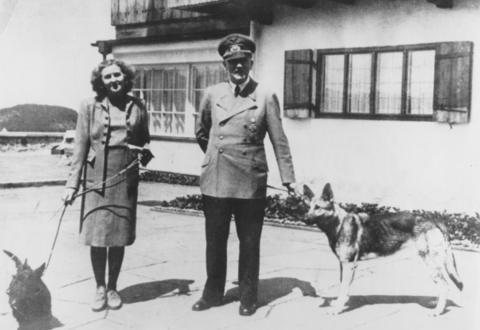
Hitler with Eva Braun, whom he married shortly before they killed themselves in the bunker

With the study complete and the research under peer review, at some point, the full findings will be available.

Prof Weber says they should be used "extremely carefully and soberly", but he's hopeful that it is helpful in some way.

"That's the nice thing about research results – it might happen in five, 150, 500 years time. This research is there for posterity and I'm confident that smart people will use them in the future."

But we all have a responsibility on how we use these results.

Dr Kay says everyone must "follow the science" and make it clear on what we know and what we don't.

That includes the media and how it is reported.

"Anyone watching this documentary has a responsibility to write on it accurately, to make sure they're not contributing to the stigmatisation.

"A documentary like this doesn't exist in a vacuum."