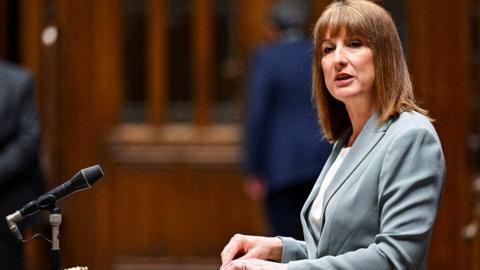
In its 2024 general election manifesto, Labour promised that it would "not increase taxes on working people, which is why we will not increase National Insurance, the basic, higher or additional rates of income tax, or VAT".
Breaking the manifesto promise would mean difficult questions for Labour ministers and MPs ahead of elections in Scotland, Wales and England.
At the start of the month, the party's newly-elected deputy leader Lucy Powell, said: "It is really important we stand by the promises that we were elected on and that we do what we said we would do."
Health Secretary Wes Streeting said it was "really important that we keep our promises and that we stand by our manifesto".
He added that talk about tax rises demonstrated how "challenging" the situation in public finances was, but that it was "wise to stop speculating" and "wait for the Budget".
Kemi Badenoch said: "It's good if they aren't going to increase income taxes, but the truth is they shouldn't be increasing any taxes at all.
"I've never seen a government do this in the run up to a budget. I have never seen this level of chaos, this level of irresponsibility."
"Reeves must guarantee no new taxes on work, businesses, homes or pensions - and she should go further by abolishing stamp duty."
Liberal Democrat Business spokeswoman Sarah Olney said: "The chancellor gave a press conference to trail her income tax hikes.
"She must come before the British public today, unroll that particular pitch and come clean on what on earth is going on at the Treasury."
The SNP social justice secretary, Shirley-Anne Somerville, said the UK government was in "complete disarray".
A Downing Street spokesman did not comment on whether income tax would rise but said: "The chancellor was very clear about addressing the challenges this country faces and her priorities in addressing those challenges – all of that stands.
"One of the objectives of the budget is to build more resilient public finances with the headroom to withstand global turbulence and to give businesses the confidence to invest."