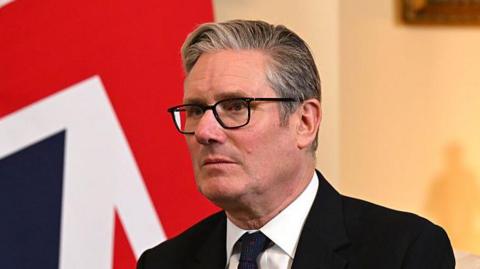
"It's not been our finest 24 hours in government," one senior figure in government acknowledged to me, after mudslinging one way and another, some in public, plenty more in private.
It began with anonymous briefings to journalists, including myself, that Keir Starmer would fight any attempt to remove him - and that cabinet ministers, including Wes Streeting, were plotting challenges.
Streeting insisted he was loyal to the PM and called on those behind the briefings to be sacked, and the PM announced that any attacks on his ministers were "unacceptable".
Questions about whether the PM had authorised the original briefings to flush out potential challengers - and whether those behind them were doing so with his knowledge, or approval, were thrown into the mix.
Would there be a leak inquiry? Would there be sackings at what Streeting called a "toxic" Number 10 operation?
What were those close to the prime minister hoping to achieve?
I have been making loads of phone calls to patch together what actually happened and where all this leaves Keir Starmer's government.
There are two key facts at the heart of all of this: the government is unpopular and so is the prime minister.
These facts are the rocket fuel behind the constant conversations I hear about what Labour is trying to do about it and what it might mean for how long Sir Keir Starmer carries on in Downing Street.
But let's get to the aftermath of all that mudslinging.