
Wubi News

UK facing sickness bill 'crisis' - what needs to change to get more people working?

2025-11-06 00:00:04
Hannah Barlow says changes need to be practical and realistic

A healthy workforce is also good for employers, who lose on average £120 per day in profit from sickness absences, which are at a 15-year high, according to the report.

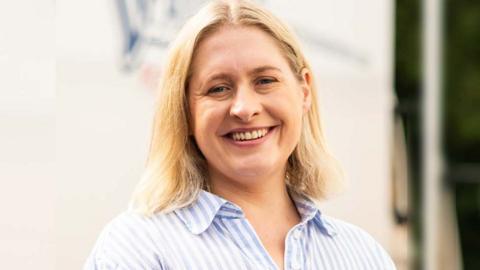
Hannah Barlow runs food business Dunsters Farm employing 200 people in Bury, North Manchester - where Sir Charlie visited while compiling the report.

The report proposes "a fundamental shift" from health at work being "largely left to the individual and the NHS" to a shared responsibility between employers, employees and health services - which Ms Barlow welcomes.

"It currently relies on the employee to do something but they aren't in a good place, they can't physically and mentally engage in those conversations. If there was employer-led signposting to the help they need that would be a massive relief."

But she said small businesses did not have "an endless pot of money" to invest in occupational health needed from a rise in adults being diagnosed with conditions such as autism and ADHD.

She said in some cases it was not always practical to keep staff with health problems in work.

"How can we help them and where do you draw the line?" she asked.

"You might have people waiting for over a year for a hand or knee operation," she said. "The majority of our roles are in a warehouse lifting goods or driving trucks, there's not really an alternative role for them to be doing."

Some business groups have pointed out the Keep Britain Working report and the Employment Rights Bill due to take effect in two years were "at odds with one another".

The proposed new law includes a right to guaranteed hours and cracks down on zero-hour contracts without the offer of work.

Helen Dickinson, chief executive of the British Retail Consortium said this "would make it harder for retailers to continue offering as many crucial flexible roles".

Ms Nicholls at UKHospitality which has been working closely with Sir Charlie said "unless its carefully managed there is a clash".

She said the Employment Rights Bill proposed workers were offered guaranteed hours based on an average they had done over a 12-week period.

"If we are providing supported pathways back into work or employing people with ill health and mental health issues the key is flexibility.

"Some weeks they can do eight hours, some weeks 40 hours, some weeks none," she said.

Some 93% of fit notes in England deem the patient "not fit for work," and "are often extended without further consultation", the report said.

But GPs say they find it difficult to judge whether or not a person is suitable to work while they are ill, but are asked to issue sick notes by patients themselves.

The report recommends a Workplace Health Provision, non-clinical case management service funded by employers to support staff and line managers.

Professor Kamila Hawthorne, chair of the Royal College of GPs, said doctors "should still have the option to continue to issue short-term (up to 3 weeks) fit notes and retain some involvement in longer-term care and oversight of patients' overall health, where appropriate."

She said any reform "must be in the best interests of patients" adding "this process should never be punitive in nature."