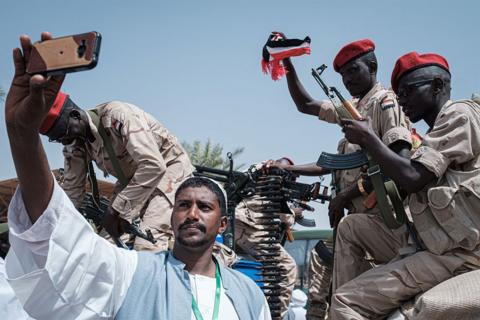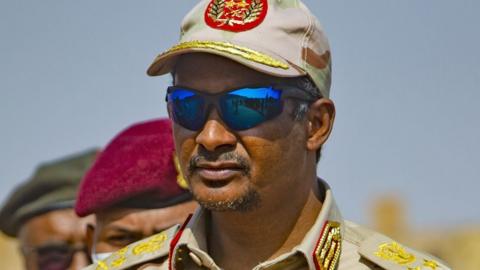
Mohamed Hamdan Dagolo, known as "Hemedti", has emerged as a dominant figure on Sudan's political stage, with his paramilitary Rapid Support Forces (RSF) now controlling half of the country.
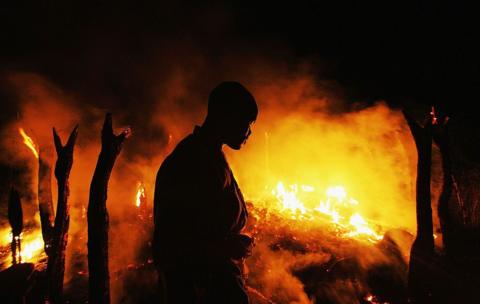
The RSF scored a notable victory recently when it overran the city of el-Fasher, the last garrison held by the Sudanese army and its local allies in the western region of Darfur.
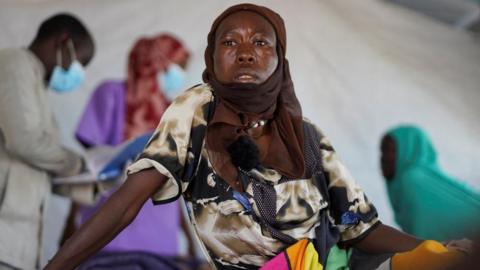
El-Fasher residents are suffering from famine following the RSF's 18-month siege of the city, a UN-accredited group of food security experts confirmed on Monday.
Feared and loathed by his adversaries, Hemedti is admired by his followers for his tenacity, ruthlessness, and his promise to tear down a discredited state.
Hemedti has humble origins. His family is from the Mahariya section of the camel-herding, Arabic-speaking Rizeigat community that spans Chad and Darfur.
He was born in 1974 or 1975 - like many from a rural background, his date and place of birth were not registered.
Led by his uncle Juma Dagolo, his clan moved into Darfur in the 1970s and 80s, fleeing war and seeking greener pastures and were allowed to settle.
After dropping out of school in his early teens, Hemedti earned money trading camels across the desert to Libya and Egypt.
At the time, Darfur was Sudan's wild west - poor, lawless and neglected by the government of then-President Omar al-Bashir.
Arab militiamen known as the Janjaweed - including a force commanded by Juma Dagolo - were attacking the villages of the indigenous Fur ethnic group.
This cycle of violence led to a full-scale rebellion in 2003, in which Fur fighters were joined by Masalit, Zaghawa and other groups, saying they had been ignored by the country's Arab elite.
In response, Bashir massively expanded the Janjaweed to spearhead his counter-insurgency efforts. They quickly won notoriety for burning, looting, raping and killing.