Forever chemicals have been used prolifically since the 1940s in thousands of products from frying pans to medical equipment to school uniforms.
Over time they have found their way into the environment - and the water that gets treated for drinking - through the washing of PFAS products, storm runoff and releases from industrial sites, according to Dr William Hartz, an environmental chemist specialising in PFAS at research institute NILU in Norway.
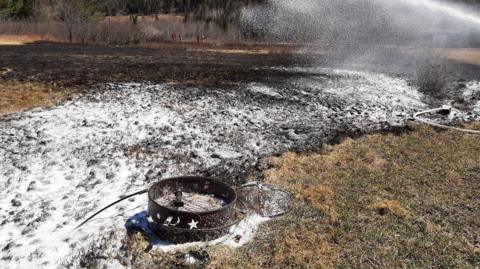
He said this might include PFAS leaching out as rainwater filters through landfill sites or firefighting training sites, where the use of some firefighting foam directly releases forever chemicals into the environment.
The study of PFAS is an emerging field but a small number of these chemicals have been identified as carrying significant risks to human health.
Earlier this year the World Health Organization raised significant concerns about two specific compounds. It classified PFOA as carcinogenic, and PFOS as possibly carcinogenic - increasing the risk of thyroid, testicular and kidney cancers. Both substances are now banned.