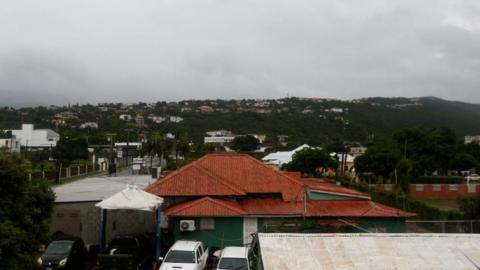
Dr Green said modern architectural trends are worsening resilience and the move from traditional jalousie windows with slats to fixed glass can leave buildings more exposed. The sealed panes prevent air from passing through, increasing pressure inside and making walls and roofs more likely to fall when storms strike.
The most vulnerable, she added, are the poorer communities, particularly those living along riverbanks and gullies, which Dr Green says is a "historical, colonial issue", tracing back to emancipation, when formerly enslaved people were granted marginal lands. Many of these families, she said, have lived there for generations, without affordable alternatives or secure land titles.
Dr Thomas pointed particularly to Port Royal which is a small fishing village in Kingston, considered one of the most hurricane-vulnerable communities and on the compulsory evacuation list.
He visited in February, explaining: "It's sort of a long spit of land and it's extremely exposed with a seven or eight-mile drive back to the mainland, so it could be quite easily cut off."
The ripple effects of any one failure can be wide: "Power goes out, and then telecommunications go. Hospitals have backup for a while, but often not long enough. And the airport's closed, which means aid can't get in quickly."
With airports closed, supply chains disrupted and aid flights grounded, even after the storm passes, recovery may take months.