Wubi News

Damning report finds 'culture of mistrust' at maternity unit

2025-10-30 19:00:12

Staffing shortages and a "culture of mistrust" led to delays and patients being harmed at one of the busiest maternity units in the UK, a review has found.

An inspection of maternity care at the Royal Infirmary of Edinburgh said some women waiting for labour to be induced had experienced delays of more than 24 hours.

It also said staff were reluctant to submit safety reports and had raised concerns about being overwhelmed and unsupported.

The damning findings echo those of NHS Lothian's own review into the troubled maternity unit last year - but the health board insisted it was making progress in improving and investing in its women's services.
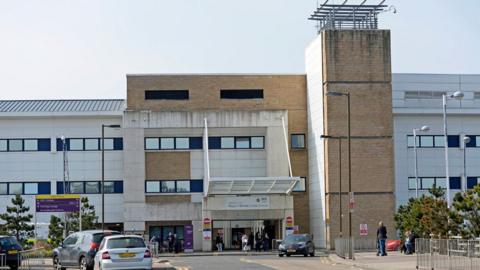
The Royal Infirmary of Edinburgh's maternity unit deals with more than 5,000 births a year

An unannounced inspection was carried out in June this year by safety watchdog HIS.

It has now published its report, which found that staff were "working hard to provide compassionate and responsive care in very challenging circumstances".

It made 26 requirements for improvement and escalated "serious concerns" about the unit to NHS Lothian and the Scottish government.

The inspectors found:

HIS chief inspector Donna Maclean said all interactions observed during the inspection between women, babies and families were "positive and respectful".

"Some staff were complimentary and described their line manager as supportive," she said.

"However, the majority of the multi-disciplinary team we spoke with were frustrated at staffing levels and told us this presented a safety risk, which they'd raised on multiple occasions with managers.

"They shared their concerns of being overwhelmed, unsupported and not listened to."

There were concerns about the mix of skills within the department, challenges in providing one-to-one care for women, and delays to observations or the escalation of clinical concerns.

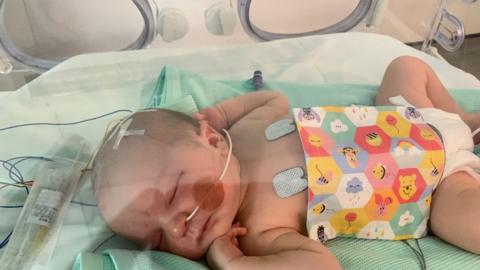
Roddy was taken to a neonatal intensive care unit after birth in 2023

The leading cause for maternal death in the UK is venous thromboembolism, where a blood clot blocks the flow of blood.

In the incident reports provided by NHS Lothian, HIS found that errors regarding venous thromboembolism risk assessments and medication was the second leading cause for a patient safety incident report to be submitted by staff in the six months prior to the inspection.

Elsewhere, inspectors found gaps in incident reporting, including some stillbirth reports not being submitted until 11 days after the death, with some workers describing a "reluctance to submit incident reports due to perceived repercussions and a culture of mistrust".

And some student midwives at the maternity unit said they felt pressure to 'just get on with it' without adequate support, with some of them then being involved in patient medication errors.

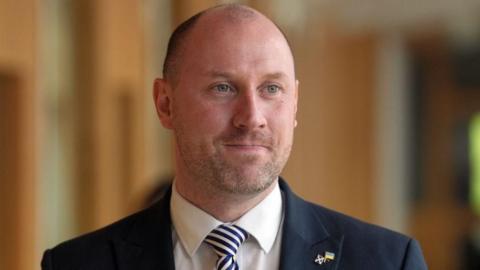
Health Secretary Neil Gray said he was "deeply disappointed and concerned" by the findings in the HIS report

In May, NHS Lothian issued an apology to maternity care staff after an investigation found a toxic workplace culture across its women's services.

Prof Caroline Hiscox, chief executive of NHS Lothian, said the HIS report "effectively endorses" its ongoing programme to improve patient safety and working culture.

This includes hiring 70 extra midwives, who will all be in post by the end of December.

She added: "I know these reports are concerning and I apologise to women and their families and can reassure them that these issues are being taken extremely seriously.

"An improvement plan is ongoing in NHS Lothian after whistleblowing concerns were raised in 2024 and we have been very clear that wider ranging matters, such as staffing, recruitment and working culture within the department, will take time to resolve.

"Significant investment and improvements have already been made."

She added: "I want to reiterate the apology we made to staff earlier in the year when they told us about their concerns over staffing numbers and about a working culture that was difficult, and where bad behaviours were tolerated.

"That is not acceptable in any workplace. We know there is still more to do to ensure our staff feel supported at work, safe to raise concerns and able to thrive."