Admittedly, the music industry is used to coming up with buzzy names to make an unfamiliar genre more marketable.
Trip-hop was invented to help categorise Portishead and Massive Attack in the mid-90s, while the term Crunk was coined to onomatopaeically reflect the bass-heavy club sounds of Southern hip-hop.
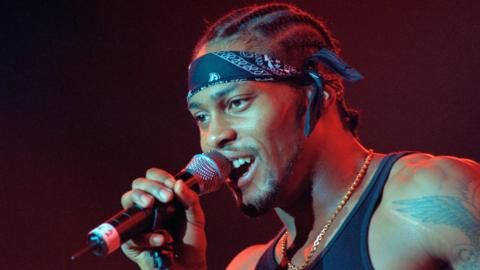
Neo-soul was christened by D'Angelo's own manager Kedar Massenburg, a US record producer who would later serve as president of Motown Records.
Seeing the market potential, but also just sensing a rapidly growing movement, Massenburg trademarked the term neo-classic soul, telling Billboard in 2002 that there was "the need to categorise music for consumers so they know what they're getting".
The term caught on, and a huge number of neo-soul artists followed in D'Angelo's footsteps, some of them signed by Massenburg himself.
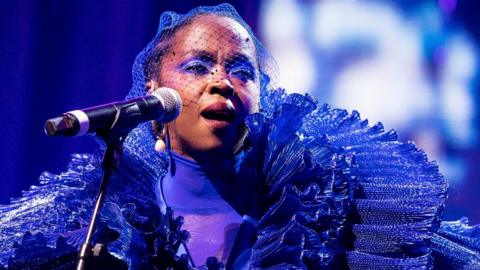
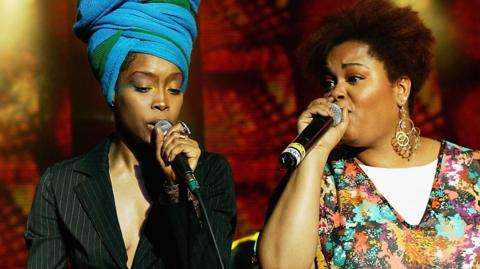
Maxwell's Urban Hang Suite was released a year after Brown Sugar, while Erykah Badu, Jill Scott, Musiq Soulchild, India Arie and D'Angelo's former partner Angie Stone would launch albums over the following years, a time seen as neo-soul's golden era.
But Brown Sugar had already set the genre's blueprint.