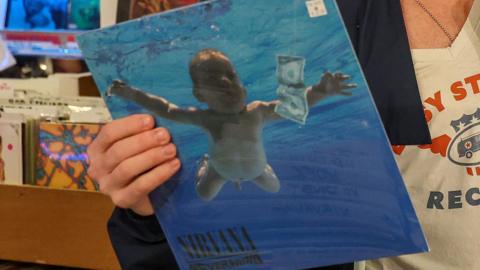
Mr Elden originally filed a lawsuit in 2021, arguing that his identity and name were "forever tied to the commercial sexual exploitation he experienced as a minor which has been distributed and sold worldwide".
US District Judge Fernando Olguin dismissed it in 2022 because Mr Elden submitted it after the 10-year limit for filing a civil case.
An appeals court overturned that decision, allowing Mr Elden to refile the case.
However, Judge Olguin has now ruled that, beyond the fact Mr Elden was naked, nothing came "close to bringing the image within the ambit of the child pornography statute".
He likened the image to a family photo of a child bathing, and said it is "plainly insufficient to support a finding" of child pornography.
"Nudity must be coupled with other circumstances that make the visual depiction lascivious or sexually provocative," Judge Olguin wrote, quoting from an earlier ruling.
The judge also cited factors including the presence of Mr Elden's parents at the photo shoot, the fact the photographer was a friend, and the fact he had previously "embraced and financially benefitted from being featured on the album cover".
Mr Elden's legal team told Rolling Stone they "respectfully disagree" with the decision and plan to appeal.
"As long as the entertainment industry prioritizes profits over childhood privacy, consent, and dignity, we will continue our pursuit for awareness and accountability," said James R Marsh of the Marsh Law Firm.