He thinks the expansion of partnerships with the private sector and with other countries in the region might help mitigate the impacts.
One such mechanism is the Caribbean Catastrophe Risk Insurance Facility, of which 19 Caribbean governments are members. Set up after Hurricane Ivan in 2004, the first-of-its-kind risk-pooling venture allows member governments to buy disaster coverage at low cost.
Last year it made record payments topping $85m to Hurricane Beryl-hit islands.
In Antigua and Barbuda, hurricane preparedness is a year-round endeavour, explains Sherrod James, director of the country's office of disaster services.
Assessments of buildings to be used as storm shelters, along with training of volunteers to man them, starts months before the season starts, he says.
"We also meet with the private sector, helping them put policies and preparations in place, looking at the safety and resilience of their buildings. We make sure our critical partners, such as the ports, are prepared.
"And we do a lot of proactive work to address chokepoints within waterways that can exacerbate flooding," adds Mr James. "These days, storms can go from a category one to five in a day. The new norm has thrown out the old regiment of what has to be done; we have to be much more proactive now."
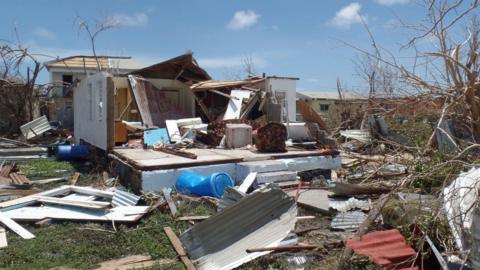
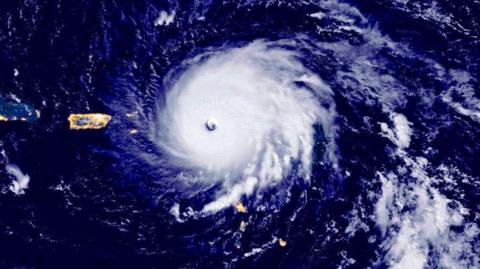
For many Barbudans, this time of year will always bring trepidation. Dwight was among dozens who recently attended a Hurricane Irma remembrance service at the island's Pentecostal Church.
"It was very touching and brought back a lot of memories," he says. "This time of year, we keep an eye on the weather and our fingers crossed. But we are resilient people and we know how to survive."