Wubi News

Surgeon offered womb removals in 'minutes' without proper examination, women say

2025-10-01 10:00:04
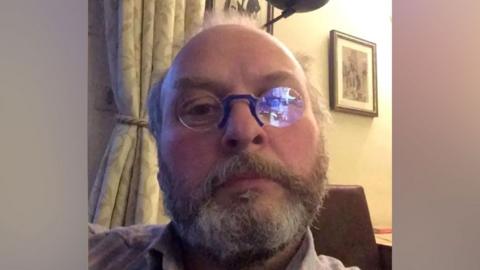
Daniel Hay was a consultant gynaecologist at the University Hospitals of Derby and Burton NHS Trust

A former NHS gynaecologist's risky practices and shortcuts contributed to women suffering severe physical harm, a long-awaited report into his care has found.

Daniel Hay joined the University Hospitals of Derby and Burton (UHDB) NHS Foundation Trust in 2005, and operated on hundreds of women before retiring in 2020.

A report - which scrutinised Mr Hay's care between 2015 and 2018 - was commissioned after concerns were raised by colleagues, and found failings in his practices, how he was managed and added only "good fortune prevented further harm".

After publication of the report on Wednesday, the NHS trust said it was "truly sorry" to the women who received care "below the standards expected".
The report was commissioned by the Gynaecology Review Steering Group, which included representations from NHS England, UHDB, and the Derby and Derbyshire clinical commissioning group.

As part of the report, the panel contacted 325 women who had been treated by Mr Hay between 2015 and 2018, asking them to share their experiences.

In addition to the 325 patients, 58 women had already been reviewed in an earlier assessment carried out in 2019.

In Wednesday's report, the steering group panel identified two women as suffering "severe physical harm", with three sustaining "moderate physical harm" under Mr Hay's care.

Among the issues identified were women who had a hysterectomy - a surgical procedure that removes the womb - with some patients made to feel like it was their "only option" when less invasive options may have been available.

This "adversely affected" the mental health of women who dreamed of starting families but were unable to do so, affecting their relationships and jobs.

The report also found Mr Hay "demonstrated poor clinical practice", "failed to recognise possible risks", while the NHS trust that employed him "somehow allowed this to continue until he eventually retired due to ill health".

His consent processes - in which patients should be able to make informed decisions over surgery - were poor, his record-keeping was inadequate, and his communication with patients was often dismissive, the report added.

Concerns about Mr Hay were raised by consultants, theatre staff and managers as early as 2017-18, but the panel said it was "surprised" those staff members were not interviewed by the trust until 2022 - some five years later.

The report published multiple testimonies from women, who were not named. They described being rushed into having hysterectomies.

Following publication of the report, the trust said it had already made "important changes"

A second report, which reviewed governance at the UHDB trust at the time, was published alongside the major review into Mr Hay's care.

It said Mr Hay's care from 2012 should also be reviewed.

Dr Gis Robinson, executive chief medical officer at the NHS trust, said: "We want to reiterate our unreserved apologies to the women who received care from Mr Hay that was far below the standards expected.

"Following the report we made important changes, with clearer consent procedures and enhanced clinical oversight so any issues with care can be identified more quickly, and improved post-procedure reviews for women.

"We will continue to closely monitor and review these to ensure they are effective and fully integrated, and use our learning to support and inform the next stage of the review."

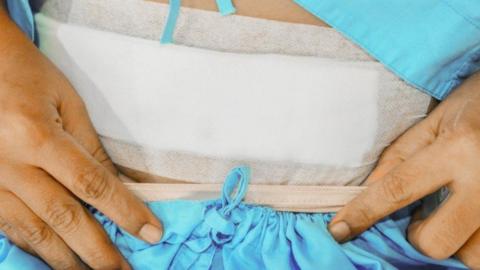
A number of women said they felt as though they had "no other option" than to have a hysterectomy

By Rob Sissons, East Midlands health correspondent

The report is full of numbers but, of course, behind the numbers are the real lives of women who say their relationships have been ruined through poor care.

I have spoken to two women involved in the review who, to some extent, blame themselves for going along with what Mr Hay said. Both felt dismissed and not listened to, but of course, they put their trust in a surgeon in one of the most personal and sensitive areas of medicine, gynaecology.

In large organisations - the NHS is the country's biggest employer - things will go wrong, but the question is always are the systems and processes in place robust enough to pick up poor performance, and do management do enough when problems are exposed and colleagues speak out? In the Hay case, it is now apparent more could and should have been done.

More cases are now going to be reviewed. The scrutiny of this NHS consultant's work and his employer's handling of it goes on.