Wubi News

The songs I've chosen to help me prepare for dying

2025-09-22 17:00:05
Music's therapeutic benefits are increasingly recognised in end of life care

Moments like this emphasise the power of music to forge everlasting connection.

Its therapeutic benefits are increasingly recognised in palliative and end of life care.

The impact is neurological as well as emotional, explains Sarah Metcalfe, managing director of the Utley Foundation's Music for Dementia campaign.

Brain activity scans show music "lights up" multiple parts of our brain, simultaneously touching physical and emotional sense centres.

"Even if one part of the brain is damaged, those other parts can still be accessed," Sarah says.

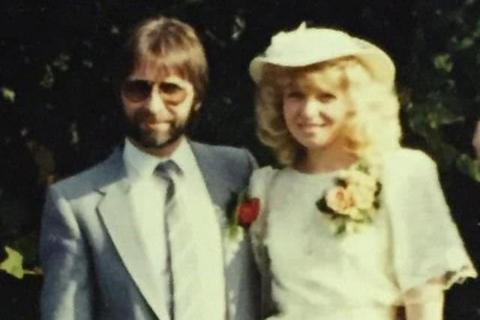
Dave and Kate on their wedding day in 1986

UK charity Marie Curie surveyed 1,000 adults whose loved ones had received care in the final stages of life.

It found listening to music together helped to create a shared experience that brought them closer, creating a sense of normality and helping them relax.

Kate experienced this first hand. When Dave once returned home after a lengthy hospital stay, he was twitchy and exhausted but unable to sleep.

Out of desperation she turned to Native American music, one of his favourite genres to relax to.

"And then all of a sudden, this agitated, anxious man began to sleep," she recalls.

Diana Schad, a staff nurse at the Marie Curie hospice in Glasgow with 19 years of experience as well as a musician herself, has installed a piano for patients and volunteers to use.

She says it is important to consider the feelings music evokes.

"You've always got to ask yourself, is this what they would like to be feeling at the moment?" says Diana.

Diana, a musician in her spare time, says music plays a pivotal role in end-of-life care

Experts agree that music can reduce anxiety and psychological pain, even when someone is unconscious.

Dr Sam Murphy, senior lecturer at the Open University, specialises in thanatology, the study of death and the practices associated with it.

"There's certainly evidence to suggest that hearing is the last sense to go so even when someone is unconscious or unresponsive, music can still reach them," she says.

"It keeps them connected to their surroundings, to the people they love, and to the sense of being alive and those memories that they've had."

Music can be equally helpful to loved ones after a person has passed away.

"I think it's just another distraction for those people that are mourning a loved one," Dr Murphy says. "But there's that comfort in knowing that they're listening to something that their loved one would have listened to over the years."

This is true for Anna-Kay Brocklesby, whose husband Ian passed away from prostate cancer in 2023.

As Ian's health deteriorated, sharing his favourite songs became a crucial part of their family's coping mechanism.

It became a way to keep spirits up and stay positive, says his wife.

"Every morning he would go down and make the tea, he would play. Oh, What a Beautiful Morning from the musical Oklahoma," she says.

"And he would belt it out. He used it as a sort of mindset of, this is how today's going to be".

They would play Frank Sinatra, Nat King Cole, and Elton John songs, which provided comfort and connection.

Two years after Ian died, Anna-Kay still finds comfort in the music they shared together.

"He lives on in us in many, many ways," says Anna-Kay, "but music can take us to a place with Ian".

Details of organisations offering information and support for end-of-life care are available at bbc.co.uk/actionline