RTÉ will make a final decision once the Eurovision organiser, the European Broadcasting Union (EBU), makes its decision.
UK should withdraw from Eurovision if Israel takes part, says winning songwriter
2025-09-12 19:00:09
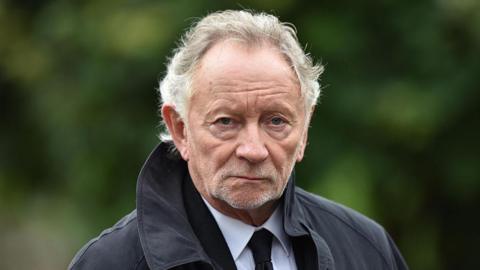
Phil Coulter has written or co-written several songs for Eurovision, including the UK's winning 1967 song Puppet on a String, which was sampled last year by Jade Thirlwall in Angel of my Dreams

Yuval Raphael flew the flag for Israel at this year's song contest in Switzerland
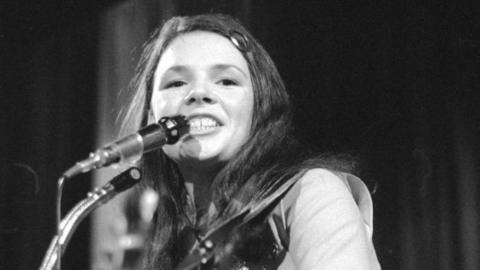
Pop singer Dana, who won Eurovision for Ireland in 1970, said there needs to be a "safe space, where people not politicians, not country or world leaders, where ordinary people can come together"
Pop singer Dana, who won Eurovision for Ireland in 1970 with the song "All Kinds of Everything", said there needs to be a "safe space, where people not politicians, not country or world leaders, where ordinary people can come together and find a safe space".
"And when we have no words, music can speak," she told the programme.
"It [Eurovision] wasn't set up as just a singing competition, it was set up after a time of great conflict and war and atrocities to give a space where people could come together.
"It was really set up to bring different nations together to rise above what was happening on political levels. It isn't just a song contest."
Next year's contest will be held in May in Vienna.
Slovenia's national broadcaster, RTVSLO, has also said it will withdraw from the competition if Israel participates.
Spain's Culture Minister Ernest Urtasun has said that his country may also not take part should Israel participate.
Stefán Eiríksson from Iceland's national broadcaster RÚV said its involvement in the 2026 contest was "subject to the outcome of the ongoing consultation process within the EBU, due to the participation of the Israeli state broadcaster KAN in the competition".
Mr Eiríksson added that RÚV "reserve the right to withdraw from participation in it if the EBU does not respond satisfactorily".
In a statement on Thursday, RTÉ said: "It is RTÉ's position that Ireland will not take part in the 2026 Eurovision Song Contest, if the participation of Israel goes ahead, and the final decision regarding Ireland's participation will be made once the EBU's decision is made".
It added: "RTÉ is also deeply concerned by the targeted killing of journalists in Gaza, the denial of access to international journalists to the territory, and the plight of the remaining hostages."
Ireland has won the contest seven times in total, most recently in 1996.
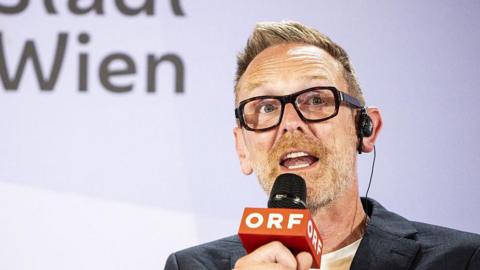
Director of the Eurovision Song Contest, Martin Green said the EBU "understand the concerns"
Martin Green CBE, Director of the Eurovision Song Contest, said the EBU "understand the concerns and deeply held views around the ongoing conflict in the Middle East".
He added: "We are still consulting with all EBU members to gather views on how we manage participation and geopolitical tensions around the Eurovision Song Contest.
"Broadcasters have until mid-December to confirm if they wish to take part in next year's event in Vienna. It is up to each member to decide if they want to take part in the contest and we would respect any decision broadcasters make."
Earlier this year, more than 70 former Eurovision contestants signed a letter calling on the organisers to ban Israel from the 2025 competition.