"TikTok has an ongoing robust trust and safety programme with more than 70 features and settings designed specifically to support the safety and well-being of teens and families on our platform," a spokesperson said in a statement.
The company's measures have however failed to impress the French cross-party commission of inquiry, which describes TikTok as one of the worst social media platforms - "a production line of distress" for young people. It argues Tiktok it has failed to take sufficient action to reduce teenagers being exposed to "a spiral of harmful content".
The recommendations of the French parliamentary inquiry come hard on the heels of an Australian social media ban for children under the age of 16 which comes into force on 10 December. "Age‐restricted social media platforms" such as Facebook, Instagram, Snapchat and YouTube will face steep fines if they fail to take "reasonable steps" to bar under-16s from holding accounts.
The French inquiry was originally set up after a group of families accused TikTok of exposing their children to content that could lead them to taking their own lives. It heard testimony from children as well as parents.
"The content she watched was deadly... prioritising songs that advocate suicide as a liberation," said one mother whose daughter had taken her life in 2021.
Another woman named Martine said she had seen her daughter Lilou, who took her life aged 14, watching videos of people talking about depression and worse.
"At no point was she exposed to content that could have inspired her to live," Martine told FranceInfo. "She was deluged with videos that suggested death as a solution."
Among the 43 recommendations of the French inquiry team aimed at getting French children "out of the TikTok trap" are:
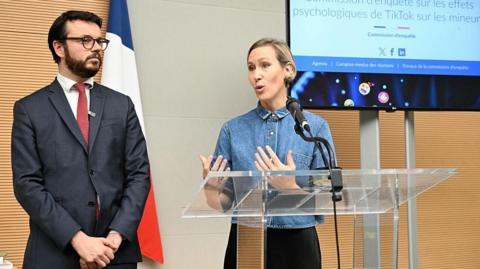
Lead inquiry author Laure Miller explained that the idea of an offence for parents of digital negligence was really just an extension of existing law.
"If a six-year-old child spends seven hours a day in front of TikTok, we can ask ourselves the question: 'are their safety and morality really protected by their parents?'," she told reporters.