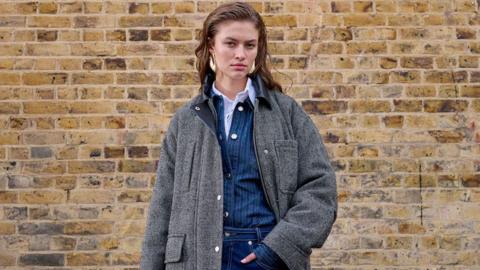
Topshop struggled during the covid-19 pandemic, when it had to close its physical stores, but it had been having problems for several years.
It failed to keep up with changing shopping habits among its key demographic – teenagers and young adults – primarily the rise of online shopping.
And as its core customers aged out of its products, it struggled to replace them with new shoppers or adapt its products to its old base's tastes.
The brand also faced growing criticism for its sustainability record, as young shoppers became more conscious about the environmental impact of the fast-fashion industry.
Graham Soult, a retail consultant, said the partnership between John Lewis and Topshop was "a canny move for both brands".
"If you're Topshop, you've got a customer base who have a real affection for the brand," he said. And for John Lewis, "it gets the name out there in a positive way" and draws in new customers.
"Maybe this will be a template for how you bring back an iconic name."
Bethan Alexander, a senior lecturer in Retail, Marketing and Management at London College of Fashion, said the partnership between the two brands may seem odd given their highly different customer bases, though added that it could benefit them both significantly.
However, she said Topshop will have to remember that high-street fashion "has come a long way" since the brand's heyday.
"That traditional shopper is now older [and] more conscious about their consumption," she said. "You can't just resurrect the same fast fashion heritage … the customer is different today."
Additional reporting by Emer Moreau