"There's a lot of destruction that needs to be done," sums up Parker Bovée of Cleantech Group, a research and consulting firm.
He is referring to PFAS (Perfluoroalkyl and Polyfluoroalkyl Substances), also known as "forever chemicals".
These man-made chemicals can be found in items such as waterproof clothing, non-stick pans, lipsticks and food packaging.
They are used for their grease and water repellence, but do not degrade quickly and have been linked to health issues such as higher risks of certain cancers and reproductive problems.
The extraordinarily strong carbon-fluorine bonds they contain gives them the ability to persist for decades or even centuries in nature.
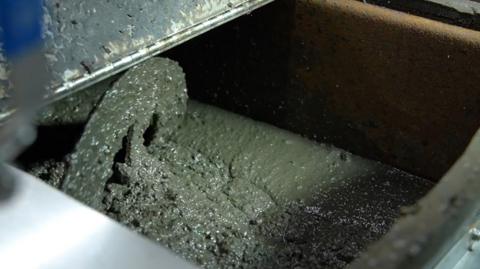
PFAS can be detected and removed from water and soil and then concentrated into smaller volumes of high strength waste.
But what to do with that waste?
Currently, concentrated PFAS waste is either put in long-term storage which is expensive, or incinerated (often incompletely, leading to toxic emissions), or sent to landfills for hazardous waste.
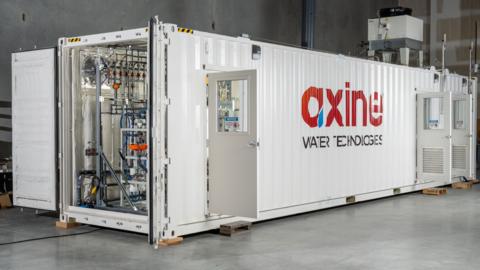
But now clean-tech companies are bringing techniques to market that can destroy them.
These are being tested in small-scale pilot projects with potential customers including some industrial manufacturers, municipal wastewater treatment plants and even the US military.