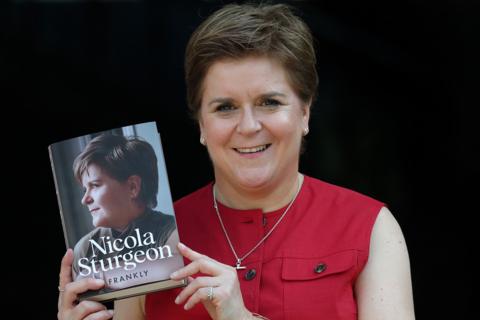
In her memoir, Sturgeon also discusses double rapist Adam Graham - who was initially sent to a female prison after self-identifying as a woman called Isla Bryson - admitting she had struggled to answer questions about whether the rapist was a man or a woman.
"I seemed weak and evasive. Worst of all, I sounded like I didn't have the courage to stand behind the logical conclusion of the self-identification system we had just legislated for," she writes.
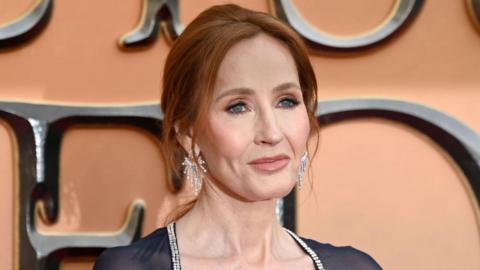
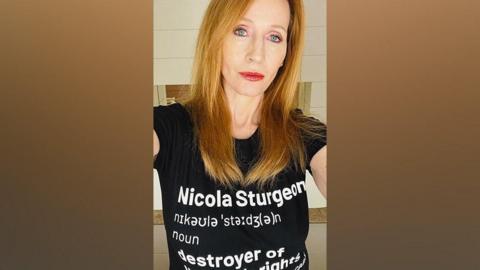
"If you're prepared to accept the foundational falsehood that some men are women, you'll inevitably find yourself panicking like a pheasant caught in headlights one day," writes Rowling in response.
The author, who in 2014 donated £1m to the campaign to keep Scotland in the UK, also accuses Sturgeon of omitting or playing down important matters in her memoirs, such as the deletion of government WhatsApp messages during Covid; "tanking" educational outcomes; failures in procuring new ferries; and a police investigation into the SNP's finances.
"Perhaps the most disgraceful omission," she continues, "is the fact that Scotland continues to lead the whole of Europe in drug deaths."
In a series of media interviews to publicise her book Sturgeon has predicted that Scotland will be independent in 20 years or less and has defended her record as first minister from 2014 to 2023.
She has insisted that she acted in the best interests of the nation during Covid and that reforms in Scotland designed to reduce poverty are now leading to progress in narrowing the attainment gap between the richest and poorest students.
Sturgeon, who will stand down as an MSP next year, also points out that she was exonerated by police investigating the finances of the SNP in an inquiry which is codenamed Operation Branchform.
Her husband, former party chief executive, Peter Murrell, faces a charge of embezzlement. The couple have since separated.