One of the main aims of President Trump's "reciprocal" tariffs during his second term has been to encourage firms to manufacture more products in the US.
In April, the White House exempted smartphones, computers and some other electronic devices from tariffs, including 125% levies imposed on Chinese imports. The tech industry breathed a sigh of relief.
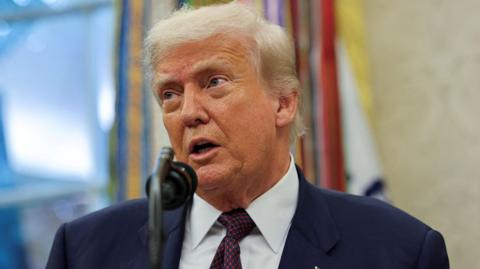
But in early August, Trump reiterated plans to impose tariffs on foreign semiconductors - saying he would introduce a 100% tax on chips from abroad.
He did not offer more details on the tariffs, but said companies could avoid them by investing in the US.
The country is already home to some companies that design, manufacture and sell processing chips, such as Intel and Texas Instruments.
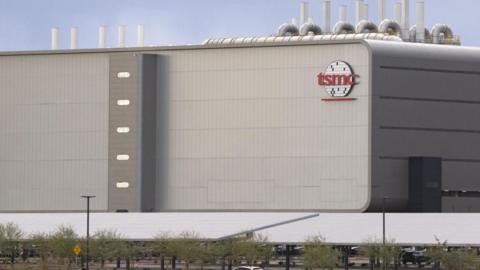
But it wants to be home to more manufacturers, particularly those making the most advanced and in-demand products - many of which are based in Asia.
The President and members of his administration have also cited national security concerns about microchips being produced or sourced from elsewhere.