Wubi News

Does this look like a real woman? AI model in Vogue raises concerns about beauty standards

2025-07-28 23:03:28
This model isn't real, but her beauty standards might still be influential

There's a new supermodel in town. She's striking, stylish... and not real.

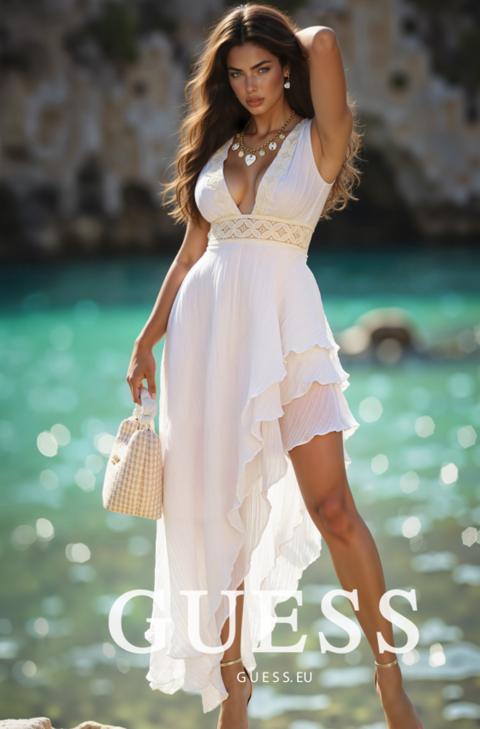
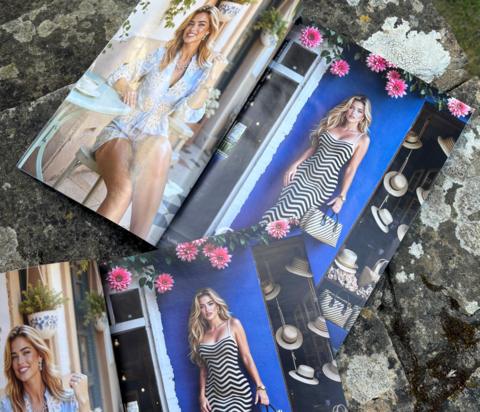
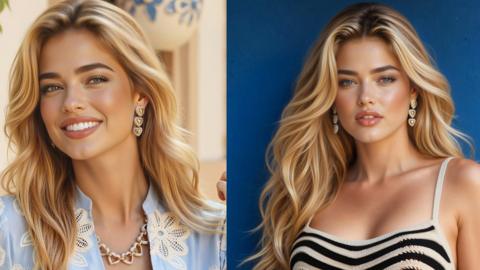
In August's print edition of Vogue, a Guess advert features a flawless blonde model showing off a striped maxi dress and a floral playsuit from the brand's summer collection.

In small print in one corner, the ad reveals that she was created using AI.

While Vogue says the AI model was not an editorial decision, it is the first time an AI-generated person has featured in the magazine.

The advert has been met with controversy and raises questions about what this means for real models who have fought for greater diversity, and for consumers - particularly young people - already struggling with unrealistic beauty standards.
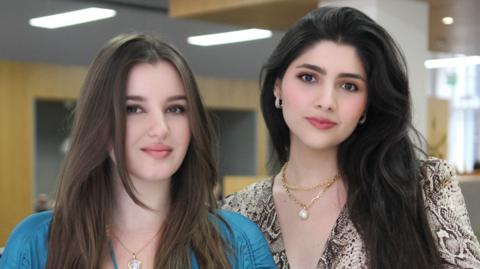
Andreea and Valentina, both 25, met while training to become architects and have been running Seraphinne Vallora for two years

She explains there's often a misconception that AI image generation is simple, saying it is actually a complex process.

The company has five employees who create AI models, and it can take up to a month from idea inception to the completed product. The pair say they charge anywhere up to low six figures for a client like Guess.

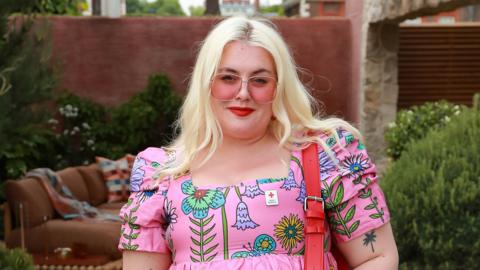
But Felicity Hayward, a plus-size model who has been in the industry for more than a decade, says using AI models in fashion campaigns "feels lazy and cheap".

"Either Guess is doing this to create a talking point and get free publicity or they want to cut costs and don't think about the implications of that."

She describes Vogue's decision to include the advert as "very disheartening and quite scary", and worries it could undermine years of work towards more diversity in the industry.

The fashion world was making real progress to be more inclusive in the 2010s - the decade saw Valentina Sampaio become the first openly trans model to walk for Victoria's Secret, Halima Aden was the first hijab-wearing model in global campaigns, and brands like Savage x Fenty featured plus-size models on the runway.

But in recent years, Hayward believes, the industry has slipped backwards because "these people are just not getting booked any more".

And the use of AI models is "another kick in the teeth, and one that will disproportionately affect plus-size models", she warns.

Felicity Hayward has been in the industry since 2011
Gonzalez says she has experimented with creating more diverse AI models on Instagram but users don't engage as much with those posts

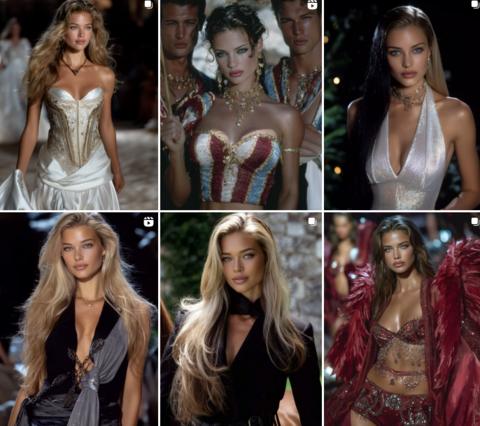
An ad campaign by Dove in 2024 was designed to highlight the biases in AI. In the advert, an image generator is asked to create the most beautiful woman in the world and produces virtually indistinguishable women who are young, thin and white, with blonde hair and blue eyes. The images generated look similar to the Guess AI model.

Hayward worries that seeing these unattainable images could have an impact on people's mental health and negatively affect their body image.

Concern around unrealistic beauty standards and the damaging effects they can have is nothing new. But unlike traditional airbrushing, which at least began with a real person, these AI models are digitally created to look perfect, free from human flaws, inconsistencies or uniqueness.

While some high-profile figures such as Ashley Graham, Jameela Jamil and Bella Thorne have spoken out against image editing and refuse to have their pictures Photoshopped, the use of AI sidesteps such conversations entirely.

Seraphinne Vallora created two AI models for Guess's summer collection
Sinead Bovell wrote an article about how AI would replace her as a model for Vogue five years ago

Aside from the impact AI models could have on a consumer, especially if unlabelled, what about the impact of this technology on those working in the fashion industry?

Sara Ziff is a former model and founder of Model Alliance, an organisation that aims to advance workers' rights in the fashion industry.

She says Guess's AI campaign is "less about innovation and more about desperation and need to cut costs".

More broadly, the former model thinks AI in the fashion industry is not inherently exploitative, but can often come at the expense of the people who bring it to life because there are many more staff involved in a photoshoot than just the model and the photographer.

"AI can positively impact the industry, but there need to be meaningful protections for workers," she explains.

Seraphinne Vallora rejects the notion that it is putting people out of work, and says its pioneering technology "is supplementary and not meant to replace models".

"We're offering companies another choice in how they market a product," Petrescu explains.

The pair add that they have created jobs with their company, and part of the process of creating AI models requires them to hire a real model and photographer to see how the product looks on a person in real life.

However, its website lists one of the benefits of working with them as being cost-efficient because it "eliminates the need for expensive set-ups, MUA artists, venue rentals, stage setting, photographers, travel expenses, hiring models".

Guess had a double page advert spread in Vogue's August edition... can you spot the AI label?