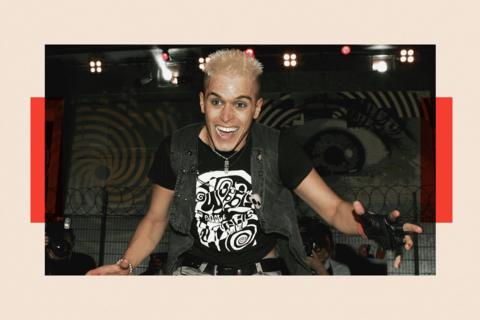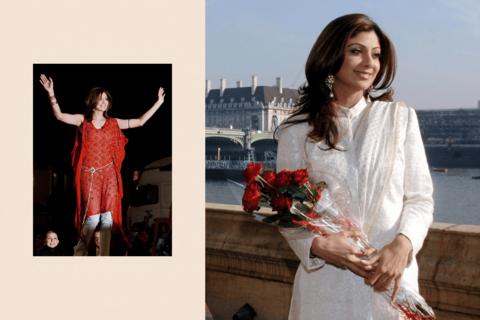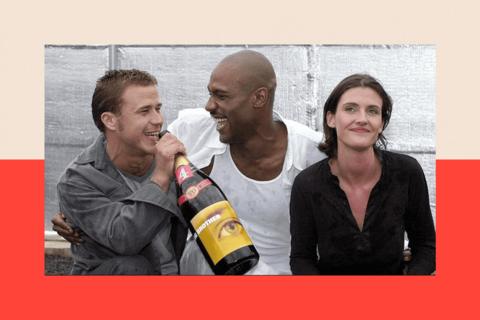
Now, 25 years on, reality TV is one of the most popular genres on screens in the UK.
The Traitors attracted more than 10 million viewers for the opening episode of third series in January. And Love Island UK may have seen audiences shrink since its episode peak of six million in 2019, but it has still been renewed 10 times.
For years, the dark sides of reality TV have been unpicked. There have been concerning, in some cases devastating, impacts on the contestants of certain shows, which has rightly prompted change.
As for critics, some have continued to dismiss many reality TV shows as superficial escapism, at best - or, at worst, harmfully divisive.
Listen closely, however, and a small clutch of psychologists and social experts are quietly starting to tell a different story - one that suggests that the impact of watching reality TV might not be as bad for brains (or social consciences) as it may seem.