The BMA has meanwhile agreed one doctor can come off the picket line over the weekend to work at Nottingham City Hospital's neonatal intensive care unit.
This is only the sixth time the BMA has agreed to let doctors return to work - known as derogation - during the long-running dispute.
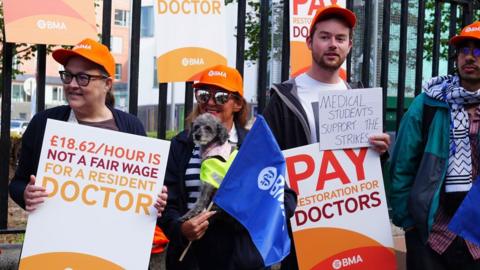
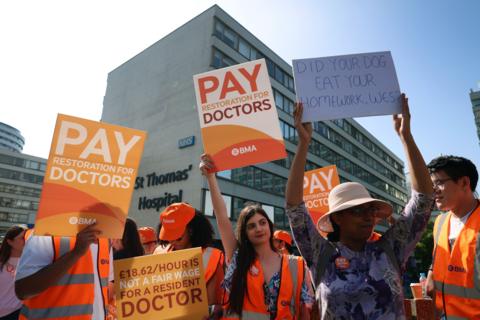
Senior doctors are covering for resident doctors who are striking for the 12th time over pay.
No official figures have been released yet on the impact of the latest strike, but some hospitals are reporting more than 80% of their non-urgent work is still being done.
Members of the public have been urged to still come forward for NHS care in England during the walkout.
GP surgeries will open as usual, and urgent care and A&E will continue to be available, alongside NHS 111, NHS England said.
Writing in the Times before the strike, Prime Minister Sir Keir Starmer urged resident doctors not to follow their union down the "damaging road" of strike action.
Despite the efforts being put in by NHS leaders, he said the walkout would cause a "huge loss for the NHS and the country", as he criticised the British Medical Association (BMA) for "rushing" into strikes.
Sir Keir said the walkouts threatened "to turn back the clock on progress we have made in rebuilding the NHS over the last year".
Streeting said the government would "not let the BMA hold the country to ransom" and that it was doing "everything we can to minimise the risk to patients".
He conceded disruption could not be "eliminated" and he and the prime minister were "angry" on behalf of patients and other NHS staff still working.
Previous walkouts have led to mass cancellations of operations, appointments and treatments.
More than one million were cancelled during resident doctor strikes in March 2023 and routine care was cut by half at some hospitals.