Wubi News

Record labels agree to boost 'insulting' musicians' pay

2025-07-22 22:00:10
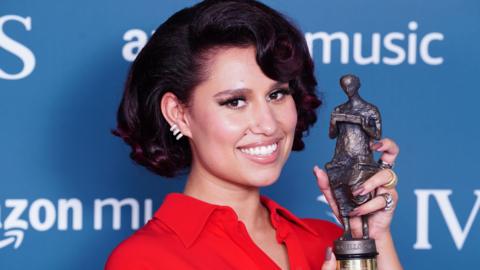
Raye has been a key voice in arguing for better royalties for musicians and songwriters

Songwriters and session musicians will receive better rates of pay, under a landmark deal agreed by the music industry and the government.

For the first time, songwriters will get daily payments of £75, plus travel and food expenses, any time they attend a session or songwriting camp. Previously, they were expected to cover their own fees, and might only get paid when a song was released.

The situation was highlighted by Raye at the 2023 Ivor Novello Awards, where she told record label bosses it was "an insult" that songwriters were expected to "work for free".

The new deal also gives session musicians a pay increase of up to 40% when they attend recording sessions.

Pop musicians will see their standard fee rise from £130 to £182. Orchestral musicians will receive a smaller 15% increase - rising from £92.96 to £106.90 for a principal violinist, for example.

The changes were announced by the government's Creator Remuneration Working Group (CRWG), which was established in 2024 to help address the shortfall in musicians' income in the streaming age.

The group is led by creative industries minister Sir Chris Bryant, who said he was "sick and tired of musicians having to live with paltry amounts of money" for producing songs that "everybody loves dancing to around their kitchen".

Addressing the paltry royalties that many artists receive from streaming services, Sir Chris added: "I can't transform the worldwide streaming situation, but what I can do is make sure that we in the UK have the best deal for artists possible."

The new framework has been agreed by all three major record labels, with support from the Musicians Union, the Ivors Academy for songwriters, the Association of Independent Music and the Council of Music Makers.

It also allows musicians who signed a recording contract before the year 2000, before the advent of streaming, to renegotiate their contract and receive higher rates of pay.

They will also have any debts to their record label written off (a process initiated by Sony Music in 2021) with additional support to get "missing" songs added to streaming platforms.

Overall, the changes will deliver "tens of millions of pounds" to musicians by 2030, Sir Chris said.

However, the Musicians Union and the Council of Music Makers said they were "disappointed" that the package did not do more to tackle "the fundamental problems with music streaming economics".

They are seeking a minimum royalty rate for all artists, and a change to copyright law that would allow artists and songwriters to reclaim the rights to their songs after a set period of time.

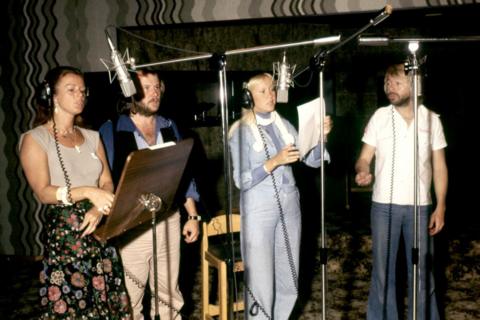
Abba's Björn Ulvaeus (right) was among the stars who campaigned on behalf of behind-the-scenes songwriting teams

Of the new changes, the new pay deal for songwriters is possibly the most impactful.

Before streaming, songwriters would get paid any time a CD or vinyl record was sold. Today, they get a fraction of the £0.003 royalty that's generated every time a song is played on streaming services.

A 2024 report by consulting firm Midia Research suggested that only 10% of working songwriters earned more than $30,000 (£22,000) per year.

More than half earned less than $1,000 (£741), with most citing the "lack of meaningful streaming income" as their primary problem.

Their cause was taken up by people like Abba's Björn Ulvaeus, who said the industry was "cheating songwriters" with a payment system that was "dysfunctional at best".

"It's been a pretty dire existence up to this point," says Ines Dunn, who has written for artists including Mimi Webb, Maisie Peters and Holly Humberstone.

"To even attend a session, you have to pay for your trains, you have to pay for your lunches. So everyone, before they even reach the studio, is already out of pocket."

She describes the new payments as "a small step in a marathon" .

"I think it's important to state this doesn't solve problems in the long term," she adds. "This isn't the extent of what songwriters deserve, but it is a really vital step in ensuring people can just show up and do their job.

"There's so many writers who are Uber drivers or have part-time jobs just to stay afloat. There are songwriters who can't afford childcare - and these [payments] can help with that, even if that's all they spend it on.

"I just want there to be a day where songwriters can be songwriters, and that's enough."

Ines Dunn received an Ivor Novello Award nomination for her work on the song Mama's Eyes by Mette