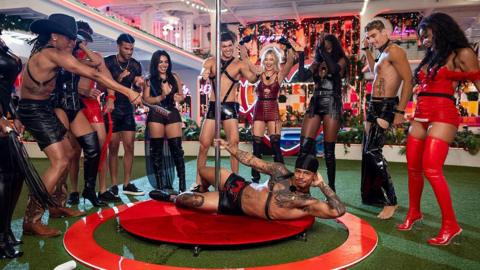
Love Island USA - a spinoff of the UK reality series - is having its most-watched season yet. But its newfound popularity has come with a dark side.
Contestants have been relentlessly cyberbullied on social media, so much so that the show aired a statement during a recent episode with a plea for viewers to halt the harassment. Its host Ariana Madix echoed the sentiment, asking viewers to rethink their posts and how they could impact the cast.
The show - which places everyday men and women in a villa in Fiji to compete and find love - often helps contestants secure millions of social media followers, brand deals and appearance requests.
But the downsides of overnight fame have been well-documented since the show's start 10 years ago in the UK, with some contestants complaining about depression, anxiety and relentless scrutiny. Two contestants died by suicide after appearing on the show, prompting the British government to launch an inquiry into reality television.
The show's producers say they've learned from the reality franchise's years of success how to better support cast and crew. But psychology experts who have worked with reality TV shows say it's an uphill battle.