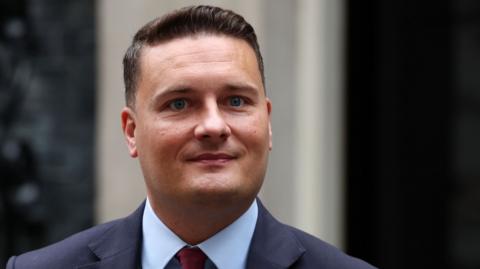
The government remains neutral on the bill, which cleared the Commons with a majority of 23 votes on Friday and will now be scrutinised by the House of Lords. MPs were given a free vote on Friday.
Campaigners in favour of the bill say it will give terminally ill adults the choice on how they want to die and prevent painful deaths, but critics argue it risks people being coerced into seeking an assisted death.
In his post, Streeting quoted former Labour prime minister Gordon Brown's position that "there is no effective freedom to choose if the alternative option... is not available", referring to sufficient end-of-life care provisions.
Streeting wrote: "The truth is that creating those conditions will take time and money.
"Even with the savings that might come from assisted dying if people take up the service - and it feels uncomfortable talking about savings in this context to be honest - setting up this service will also take time and money that is in short supply.
"There isn't a budget for this. Politics is about prioritising. It is a daily series of choices and trade-offs. I fear we've made the wrong one."
The MP for Ilford North pledged to work "constructively" on technical aspects of the legislation as it progresses through Parliament and stressed he had enormous respect for the bill's supporters.
An impact assessment on the policy published in May provided a financial analysis of the costs and savings involved.
It said that in the first six months, savings for the NHS could range from around £919,000 to £10.3m.
That figure included hospital care, primary and community care, hospice, medicines and other care costs that someone choosing an assisted death would not need.
By the time the system had been running for ten years, savings could range from £5.84m to £59.6m.
The assessment found there would be costs too. Staffing an assisted dying service could cost in excess of £10m a year within a decade, while training costs in the first six months alone could be over £11m.