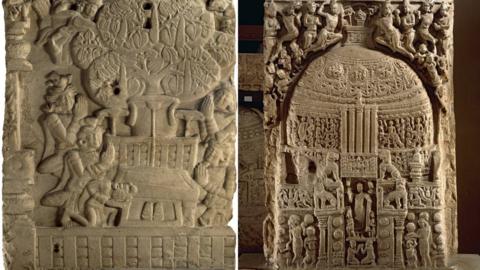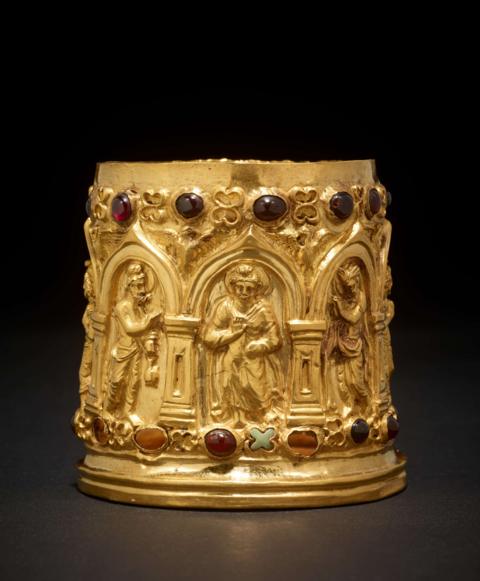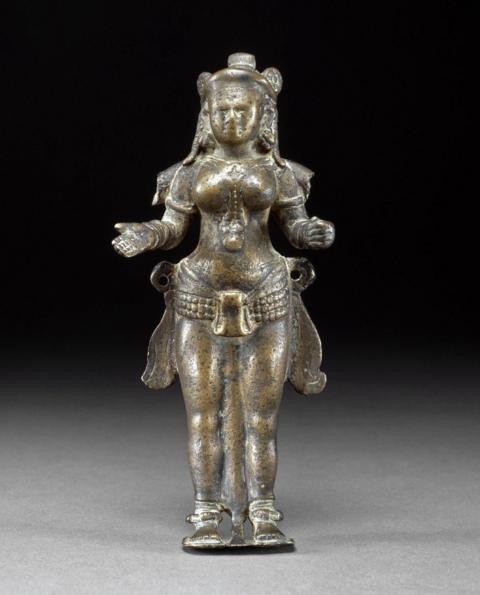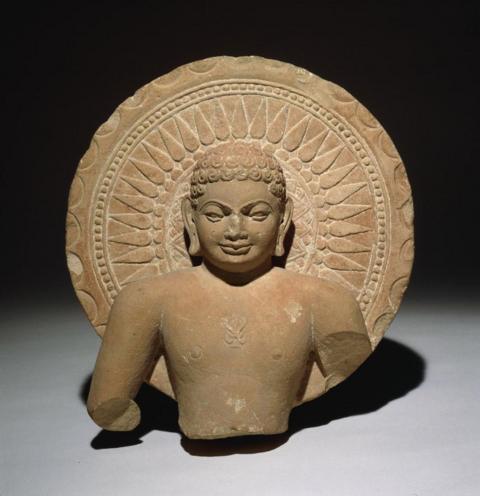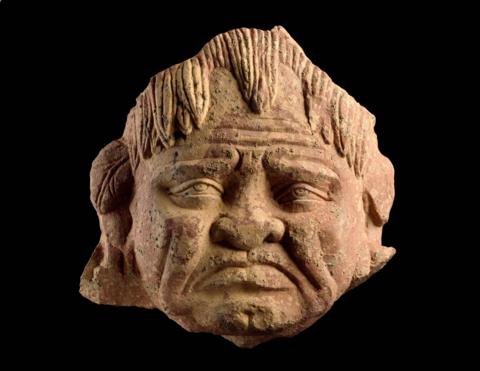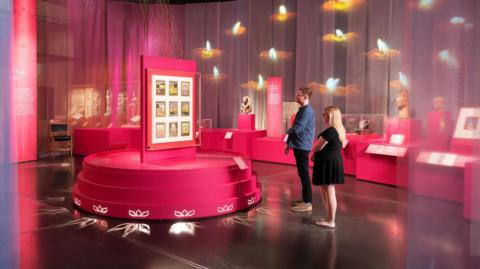
A new exhibition at the British Museum in London showcases the rich journey of India's spiritual art. Titled Ancient India: Living Traditions, it brings together 189 remarkable objects spanning centuries.
Visitors can explore everything from 2,000-year-old sculptures and paintings to intricate narrative panels and manuscripts, revealing the stunning evolution of spiritual expression in India.
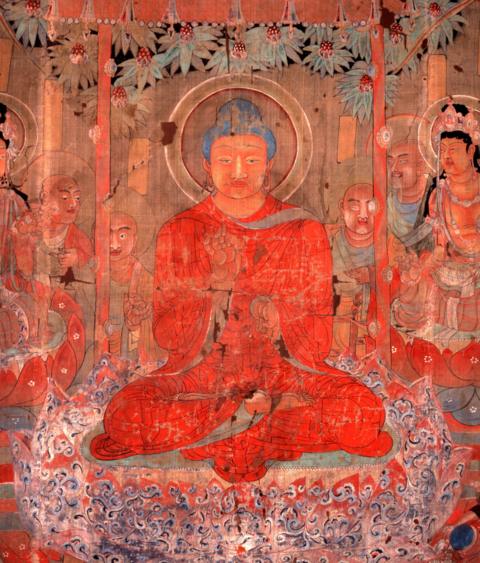
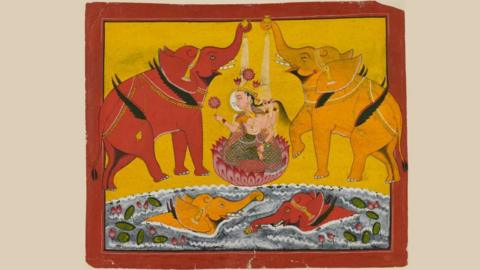
Art from the Indian subcontinent underwent a profound transformation between 200BC and AD600. The imagery which depicted gods, goddesses, supreme preachers and enlightened souls of three ancient religions - Hinduism, Buddhism and Jainism - was reimagined from symbolic to more recognisably deriving from human form.
While the three religions shared common cultural roots - worshipping ancient nature spirits such as potent serpents or the feisty peafowl - they negotiated dramatic shifts in religious iconography during this pivotal period which continues to have contemporary relevance two millennia apart.
"Today we can't imagine the veneration of Hindu, Jain or Buddhist divine spirits or deities without a human form, can we? Which is what makes this transition so interesting," says Sushma Jansari, the exhibition's curator.
The exhibition explores both the continuity and change in India's sacred art through five sections, starting with the nature spirits, followed by sub-sections dedicated to each of the three religions, and concluding with the spread of the faiths and their art beyond India to other parts of the world like Cambodia and China.