When a judge dismissed an appeal by prolific ticket tout Peter Hunter and his husband and accomplice David Smith against their landmark conviction for fraud, he sounded an alarm.
The evidence, he said in a 2021 judgement, suggested the possibility of "connivance and collusion" between ticketing companies and touts, who buy up tickets for live events in bulk and sell them to the public at inflated prices.
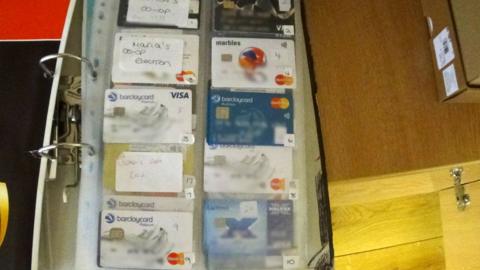
A different judge sentencing another group of ticket touts for fraud, including the self-styled "Ticket Queen" Maria Chenery-Woods, last year raised similar concerns and suggested the possibility some ticketing sites had been "complicit" in the touts making "substantial profits" by reselling tickets.
Hunter fraudulently traded tickets between 2010 and 2017, Chenery-Woods between 2012 and 2017. They both used all of the four big UK ticket resale sites: StubHub, Viagogo and the Ticketmaster-owned GetMeIn! and Seatwave.
For years, fans had battled touts to get the tickets they wanted and to avoid heavy mark-ups on resale sites. Meanwhile, Ticketmaster had publicly insisted that it was trying to combat ticket touting, which can be illegal in some circumstances.
The company - one of the UK's biggest ticket sellers - was in a unique position until 2018, as a ticketing website which also owned two major resale platforms.
Although Ticketmaster was not involved or represented in either of these court cases, the judges' comments about the industry suggested that the full story may not yet have been told. We wanted to investigate what was going on before the company shut its resale sites in 2018.
We spoke to former and current ticketing staff, who enjoyed working for Ticketmaster but in some cases were concerned that fans might have been short-changed. We also spoke to promoters, venue managers and consultants, and combed through court transcripts.
What we heard was that ticket touts had inside help with their business buying and selling tickets from the ticketing platforms they used: